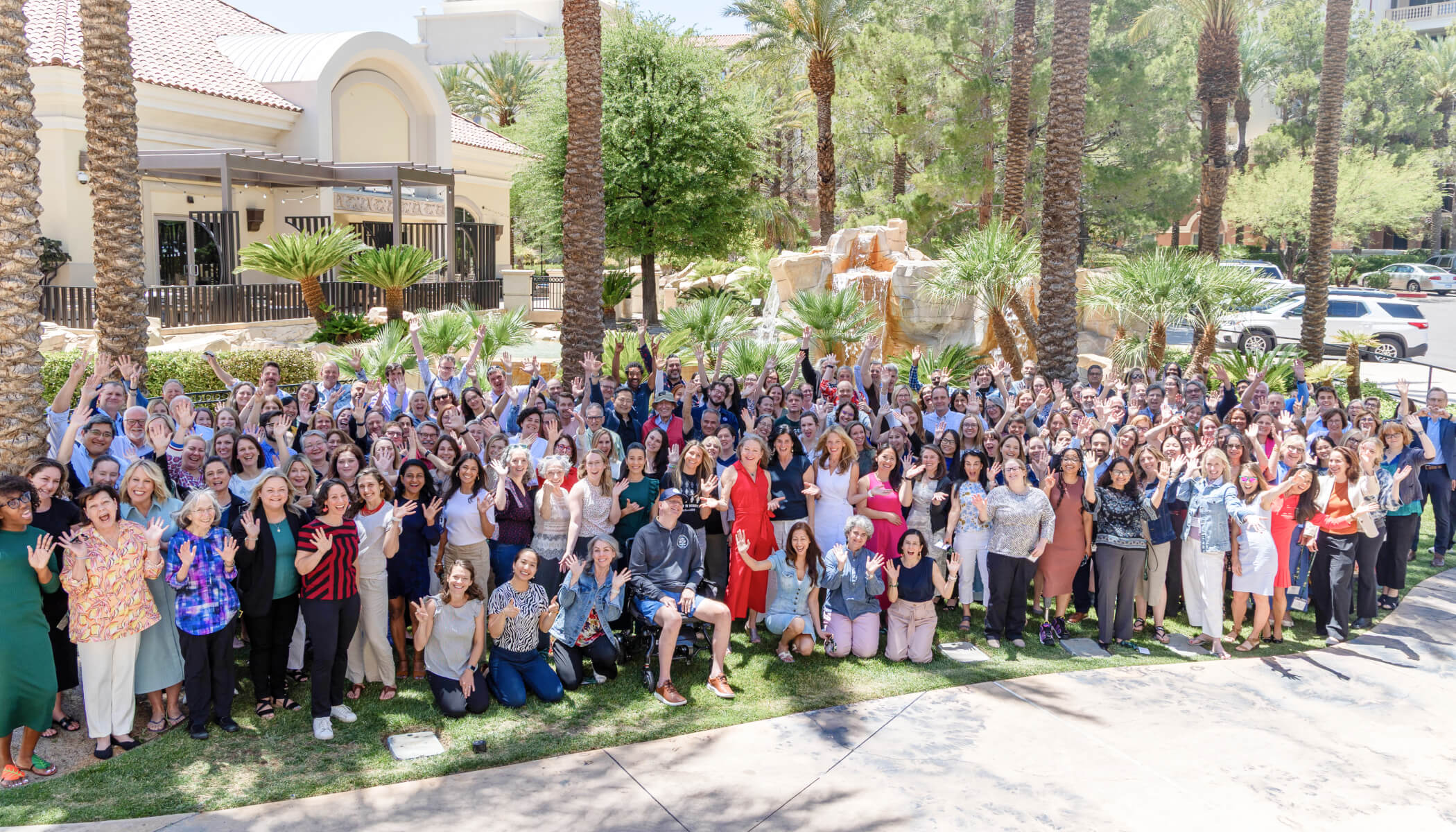
In 2019, we launched the Rare As One (RAO) Project — a program aiming to elevate patient communities as central stakeholders in research. Foundational to the program is the RAO Network, currently consisting of 94 patient-led rare disease organizations. Building on the success and impact of the first cycle of 30 grantees, the second cycle of the Network consisted of 20 patient-led rare disease organizations to accelerate research in their disease areas. The Rare As One Cycle 2 Impact Report: Advancing Patient-Led Science Through Community-Driven Research highlights the achievements and collective impact of these organizations.
Like Cycle 1, the RAO Network Cycle 2 has demonstrated the transformative power of patient-led research organizations in advancing scientific discovery and improving lives. Their achievements are blazing the trail for an emerging model of patient-driven research that is accelerating scientific progress and reshaping the rare disease landscape.
Cycle 2 grantees have:
- Engaged more than 6,000 new researchers.
- Launched 13 patient registries and 12 natural history studies.
- Collaborated with 65 industry partners.
- Supported more than 150 research projects.
These patient-led organizations have demonstrated that urgency, lived experience and scientific rigor are not only compatible — they are synergistic forces that accelerate breakthrough discoveries.
This report, developed in partnership with Cycle 2 of the RAO Network, provides a snapshot of the tremendous scientific momentum and progress these organizations have inspired, and highlights the impact that a network of similarly placed and determined patient-led organizations can have when provided with baseline funding, support and opportunities to collaborate with one another.