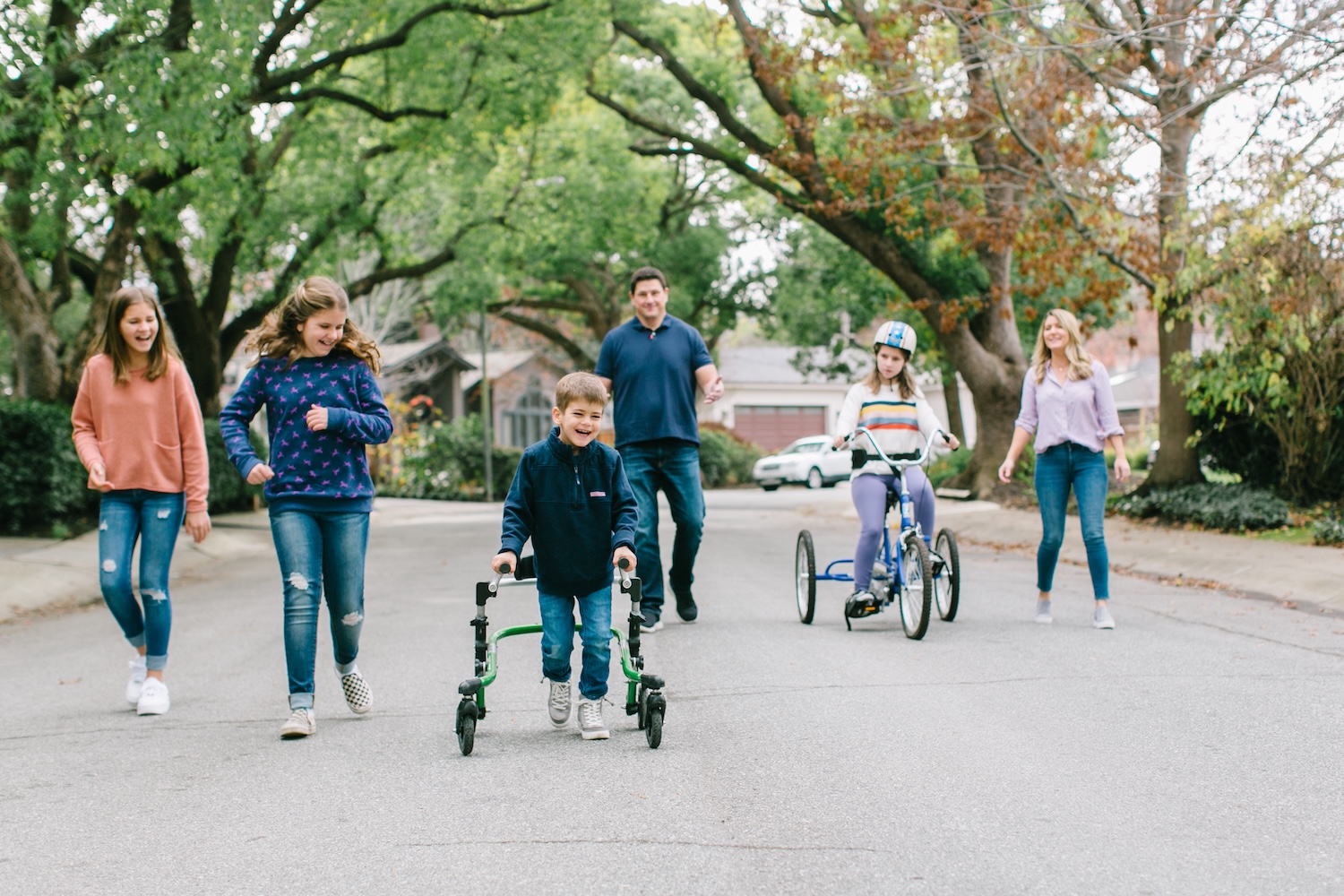
Approximately 400 million people worldwide live with a rare disease. Of these diseases, fewer than 5% have an approved therapy. Many people with rare diseases carry not only the weight of a devastating diagnosis, but the isolation of navigating a biomedical research ecosystem that was not built with them in mind.
We launched Rare As One in 2019 to catalyze a new path for these patients, investing in patient-led organizations to build research-ready communities, advance scientific understanding, and accelerate progress toward treatments and cures. This feels especially urgent today with the convergence of frontier AI and frontier biology redefining how biomedical scientists pursue the path from observation to treatment. AI-driven approaches are enabling researchers to interpret genetic variation, model disease mechanisms, and identify therapeutic opportunities with a speed and scale that would have seemed unimaginable only a few years ago.
For rare diseases, many of which stem from a single genetic change with clear biological effects, the opportunity is especially profound. These conditions are among the most tractable for connecting genotype to phenotype, and often for translating that understanding into therapeutic opportunities. At Biohub, we are bringing together AI, biology, and patient communities to deepen understanding of disease biology and accelerate the development of precise and effective treatments.
Today, we are sharing our vision for this work going forward, including the next cycle of our Rare As One Network. In Fall 2026, we’ll invite patient-led rare disease organizations to apply for our fourth Rare As One cycle, marking the latest chapter of a project that has grown from a bold bet on patient-driven science into one of the most consequential rare disease research networks in the world.
“We founded the Rare As One Project because we saw that patients could play a critical role in scientific discovery. What we have witnessed across three cycles is something even more powerful than we imagined. Patients, researchers, and clinicians working together aren’t just accelerating timelines to therapeutic discoveries: they are reshaping the biomedical research paradigm.”
— Tania Simoncelli, vice president of translational impact and engagement at Biohub
Rare As One: A unique approach that changes what’s possible
Since 2019, Biohub has supported 94 patient-led organizations through funding, training, scientific partnership, and capacity building. Together, these organizations have engaged more than 320,000 patients and community members and more than 26,000 researchers. More than two-thirds have established clinical registries, disease models, natural history studies, and other resources critical to discovery. Over half have launched clinical trials in their disease areas, with some now sponsoring trials of their own.
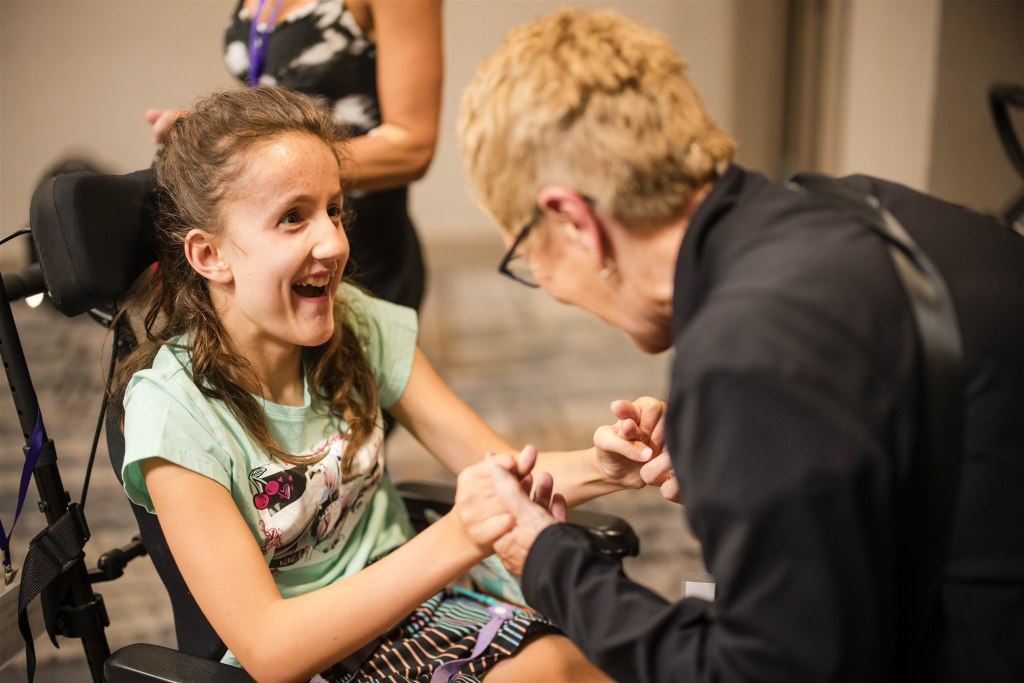
“The Rare As One Network was transformative for our organization. The funding, training, and peer network helped us become a research-driven organization capable of advancing therapeutic development. Today, because of the capacity and infrastructure we built through Rare As One, the CACNA1A Foundation is preparing for the first-ever clinical trial for CACNA1A-related disorders enrolling this fall — an outcome that felt unimaginable when we first joined.”
— Sunitha Malepati, vice president of the CACNA1A Foundation
The network has also become an important testing ground for new tools and approaches. More than a dozen research partnerships supported to date led to new tools for advancing variant identification, disease prevalence estimation, diagnostic screening, and patient data analysis, among others.
As the network has grown, so too has its collective impact. Shared expertise, trusted relationships, and cross-disease collaboration has created a powerful multiplier effect that benefits every participating organization. In our recent survey, 95% of the organizations in our network reported collaborations ranging from shared organizational policies to scientific working groups and joint publications.
“The value of the RAO community goes beyond the funding and even the formalized programming. It is in the in-between where new ideas take seed, strategies germinate, and insights emerge. The symbiotic nature of this extraordinary network provides the ecosystem for the rare disease community to nurture growth, find power in collaboration, and to flourish.”
—Mary McGowan, president and CEO of the Foundation for Sarcoidosis Research
Patient communities at the center of AI-powered biology
The shared research architecture that Rare As One is building is central to Biohub’s mission to cure or prevent disease and its vision for AI-powered biology to accelerate discoveries. The AI models that will drive a new era of precision medicine will be trained on deep biological and disease-specific contexts, enabling predictions across biological scales. Patient communities play a critical role in that research — organizing patients, generating high-quality datasets, building research resources, and ensuring that scientific advances remain grounded in the needs of the people they are intended to serve. In turn, the data and research assets they help create can strengthen AI models and accelerate the discovery of new therapeutic opportunities.
Beyond accelerating discovery, translation into patient impact remains a distinct and persistent challenge. This is especially pronounced in rare and ultra-rare diseases, where limited commercial incentives and fragmented patient populations often prevent scientific insights from advancing through traditional development pathways. Progress depends on organized patient communities that can identify and engage patients, generate data, establish natural history studies, partner with researchers and industry, and sustain momentum toward therapeutic development.
These are the reasons we are launching a fourth cycle of Rare As One. At a moment when advances in AI are rapidly expanding what is scientifically possible, Biohub knows that engaged and empowered patient communities are more essential than ever. Like previous cohorts, Cycle 4 will continue building organizational capacity, research infrastructure, and collaborative networks that enable emerging discoveries to be translated into meaningful progress for patients. The new cohorts will bring together patient-led organizations spanning rare cancers and pulmonary and immune diseases to generate data for next-generation disease models, advance diagnostics and therapies, and strengthen each organization through funding, training, and collaboration.
In addition to building foundational research resources, Biohub will support organizations to identify translational opportunities emerging from their own research and partnerships. This includes a focused pilot with Every Cure, connecting patient-led organizations to AI-identified drug repurposing opportunities and supporting their translation into patient-centered research programs.
Too many people diagnosed with rare diseases have long been told to expect very little — for their futures, therapeutic options, or cures. Rare As One was built on the conviction that this is not how their story has to end. Patients are not bystanders to scientific progress, but among its most powerful drivers.
As frontier AI and frontier biology converge, scientific research questions that once took decades to answer may now be answered far more quickly. But even a breakthrough discovery from an AI model means little if it fails to reach the person waiting for it. That critical work is being driven by communities of patients, researchers, and clinicians who refuse to accept that some diseases are simply too rare to solve. It is their resolution that drives us.