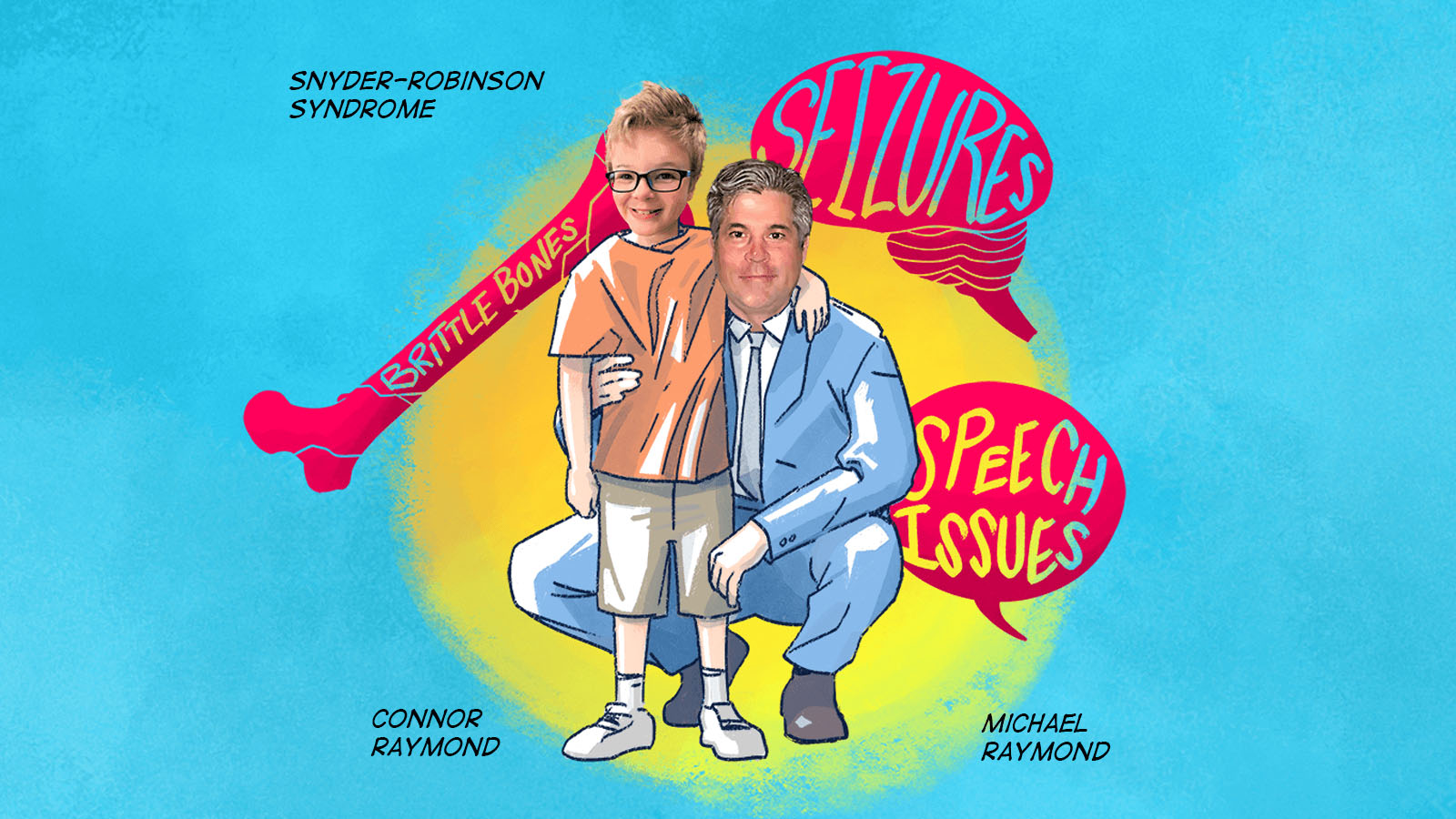
The Polyamigos is an unusual club: a collection of scientists who seem, at first glance, to have little in common. Some study human genetics. Others are experts in lab animals, such as flies or mice, or the biochemistry of molecules.
Michael Raymond, a father with no background in science, has united these researchers for a common cause. They are investigating, from multiple angles, one of the rarest diseases on the planet — a disease that threatened Michael’s son’s life. Known as Snyder-Robinson Syndrome, this condition is characterized by intellectual disability, muscle and bone abnormalities, developmental delays and other medical problems. It is thought to affect only males (although emerging evidence could challenge that view).
In the illustrated story below, follow the journey of this father and learn how he helped to change the course of science.
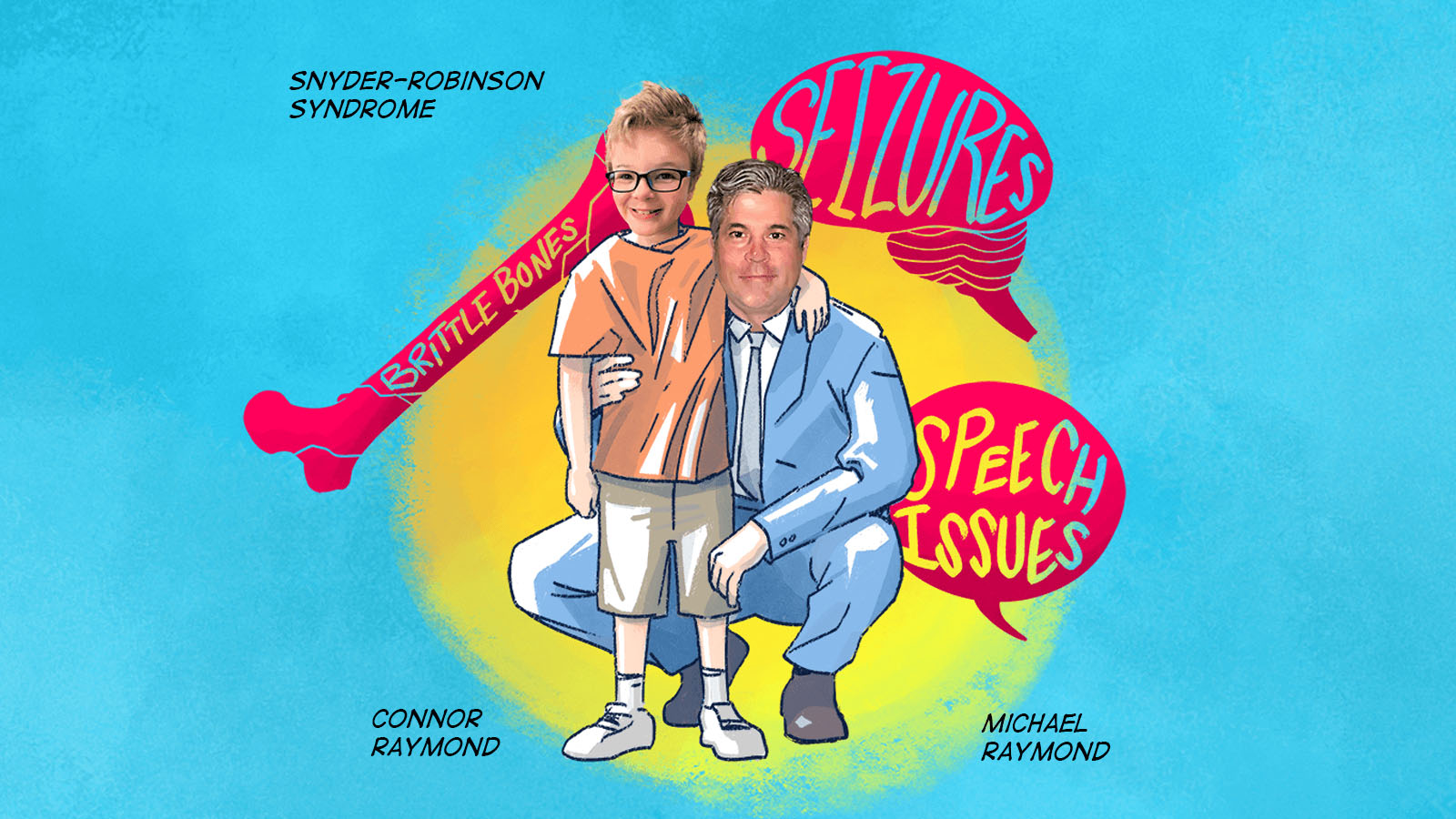
I am not a scientist or a doctor. But when my son developed a rare disease, my family and I had to do something. So we started building a team. 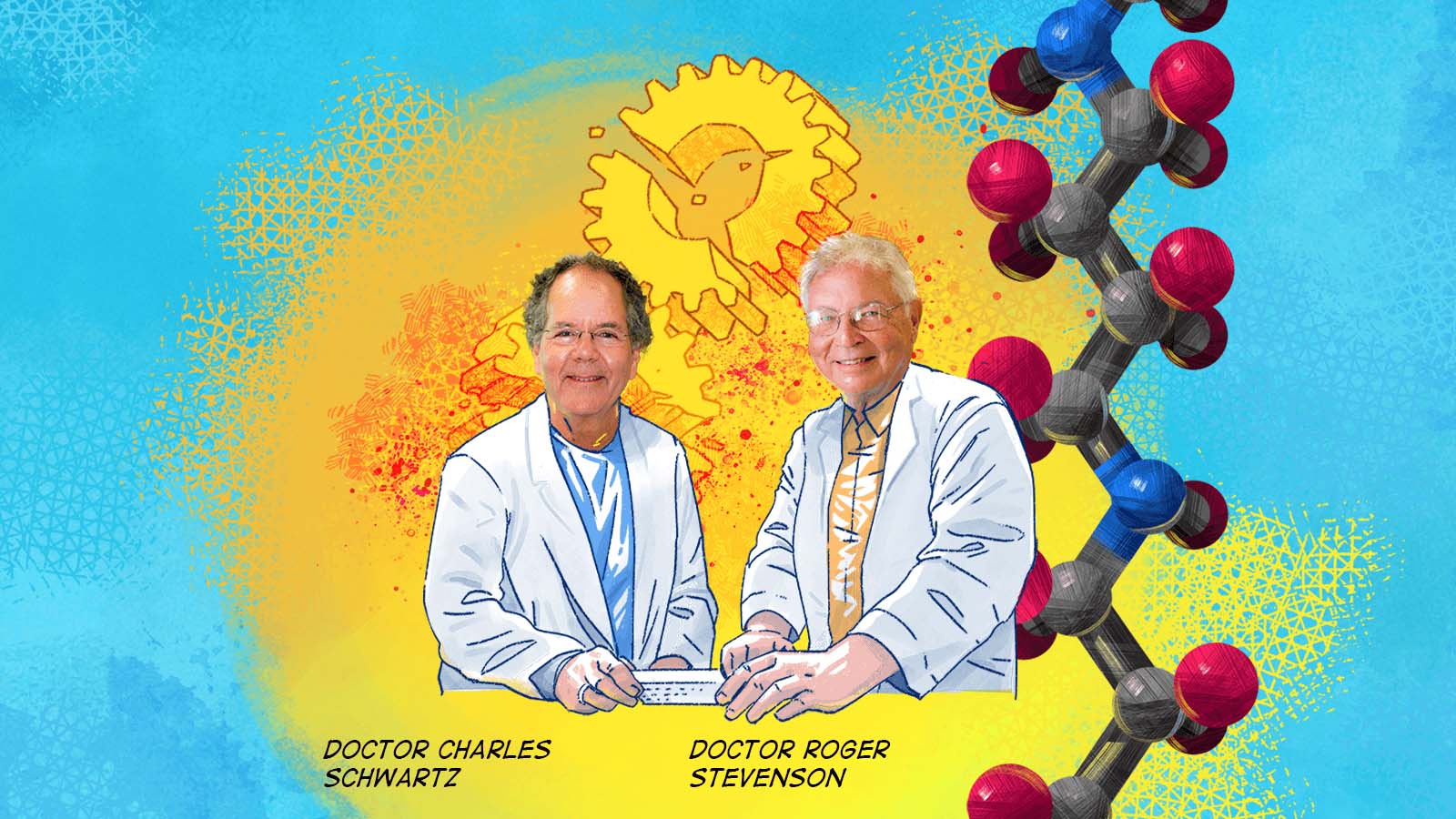
At first, the team was just our family and the doctors who identified the broken gene causing his condition. This gene makes polyamines molecules. 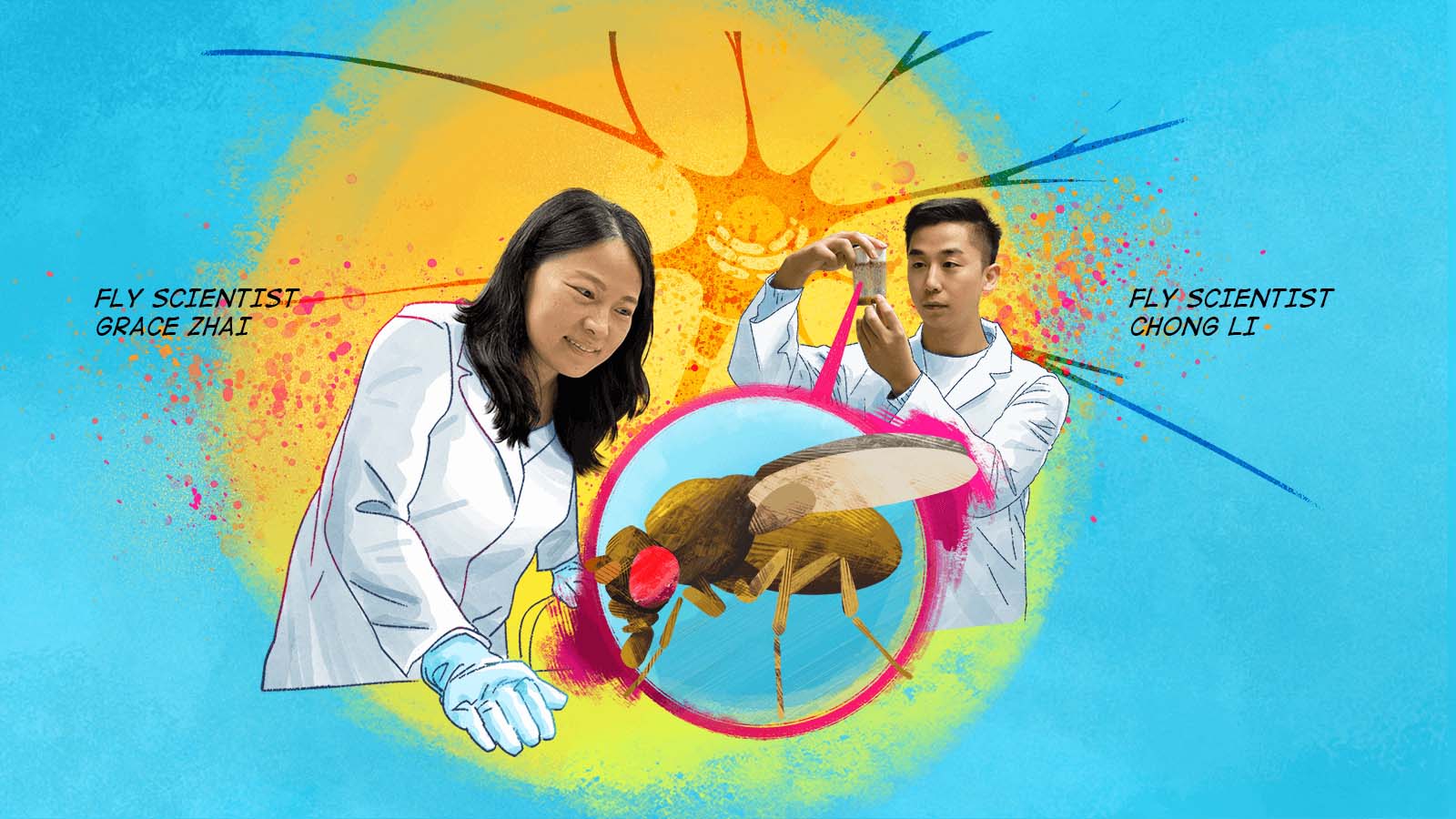
We met parents of children with the condition. We started a foundation. We teamed up with fly scientists, who found that an imbalance in polyamines can produce neural toxins. 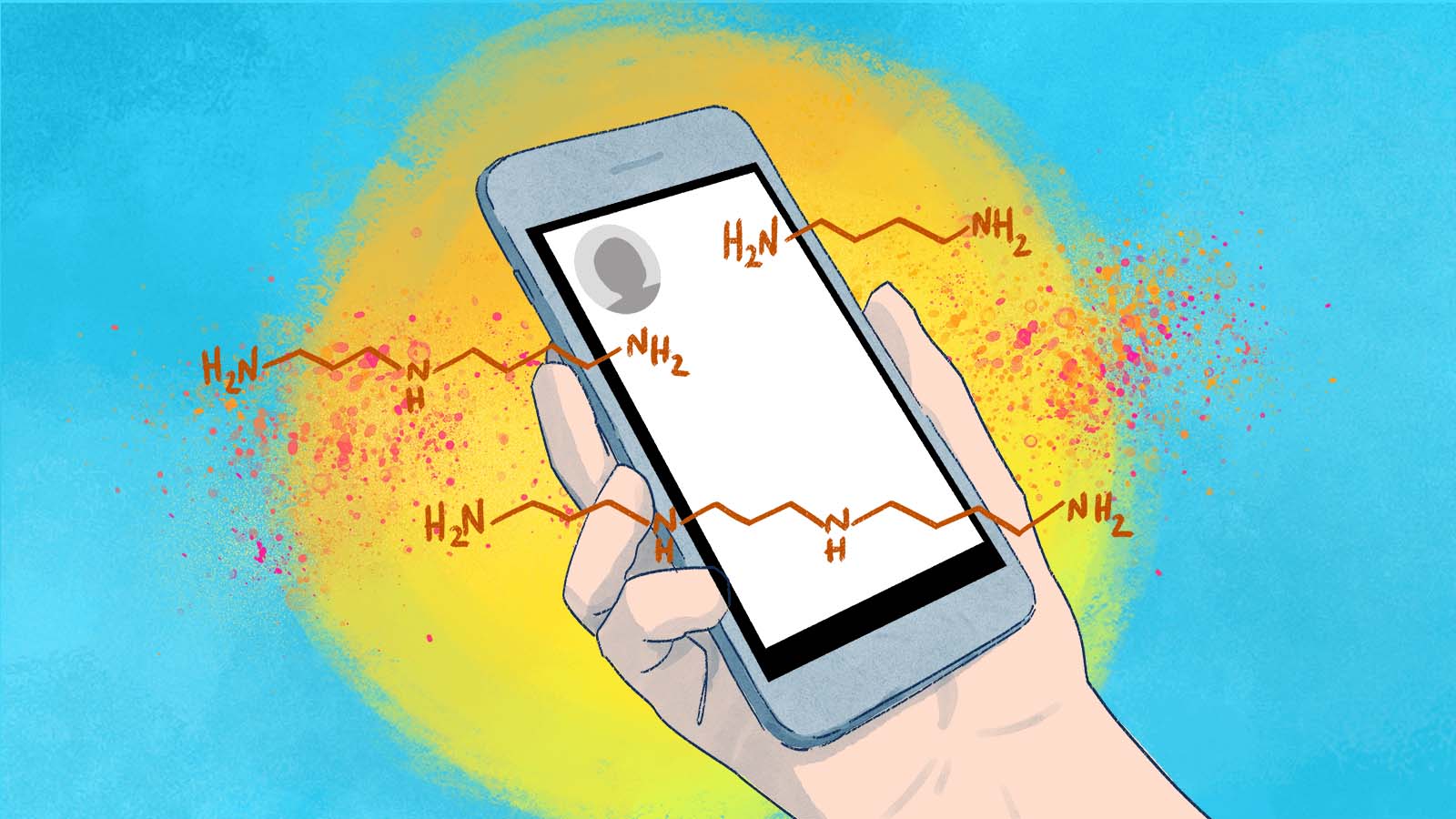
I emailed everyone going to a research conference devoted to polyamines. One researcher wrote back and brought in other biochemists who added their expertise to our investigations. 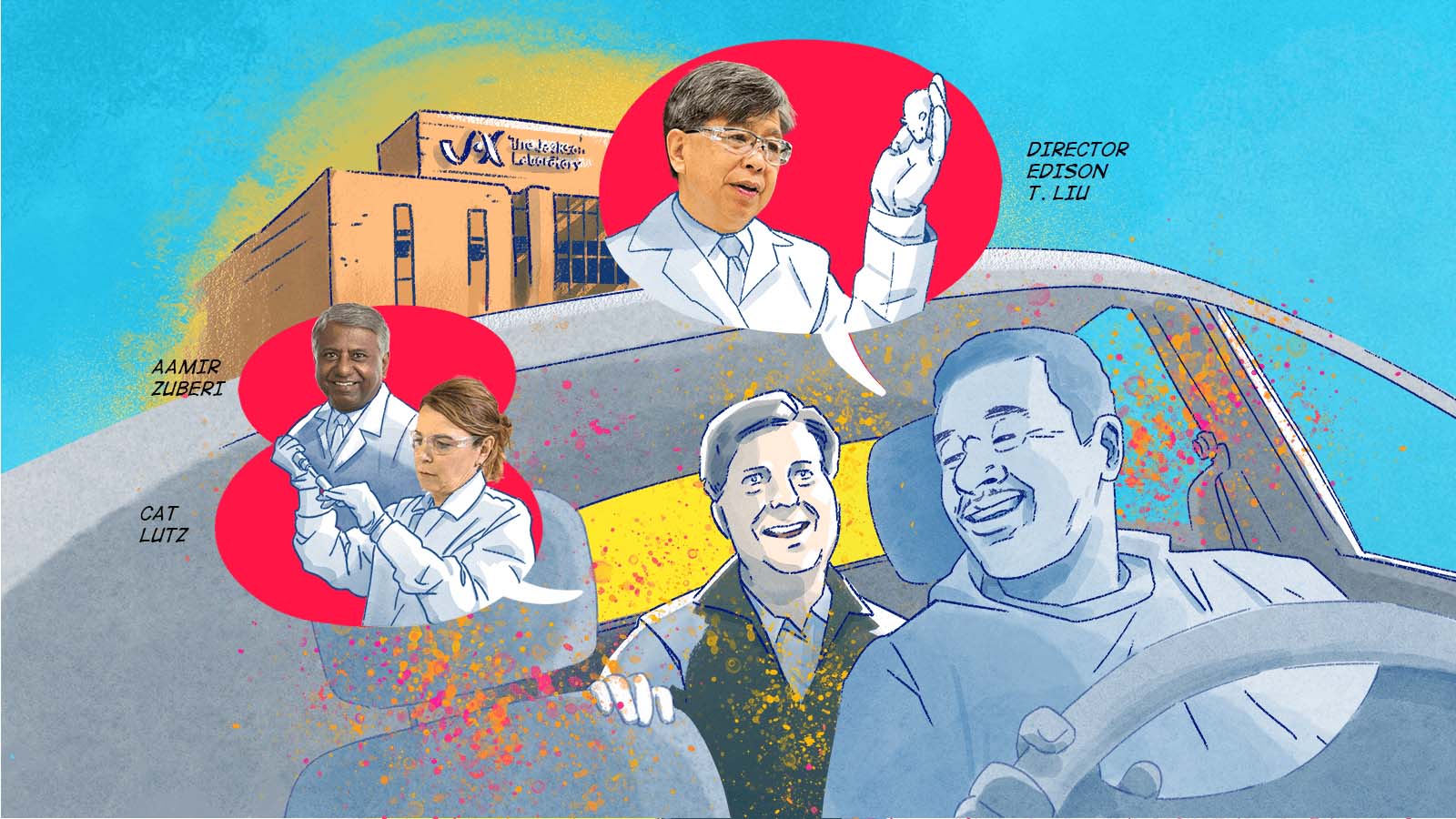
On a family vacation, a cab driver told me about one of his previous passengers: the director of an organization that breeds lab mice. His group made a mouse model of the disease for us. 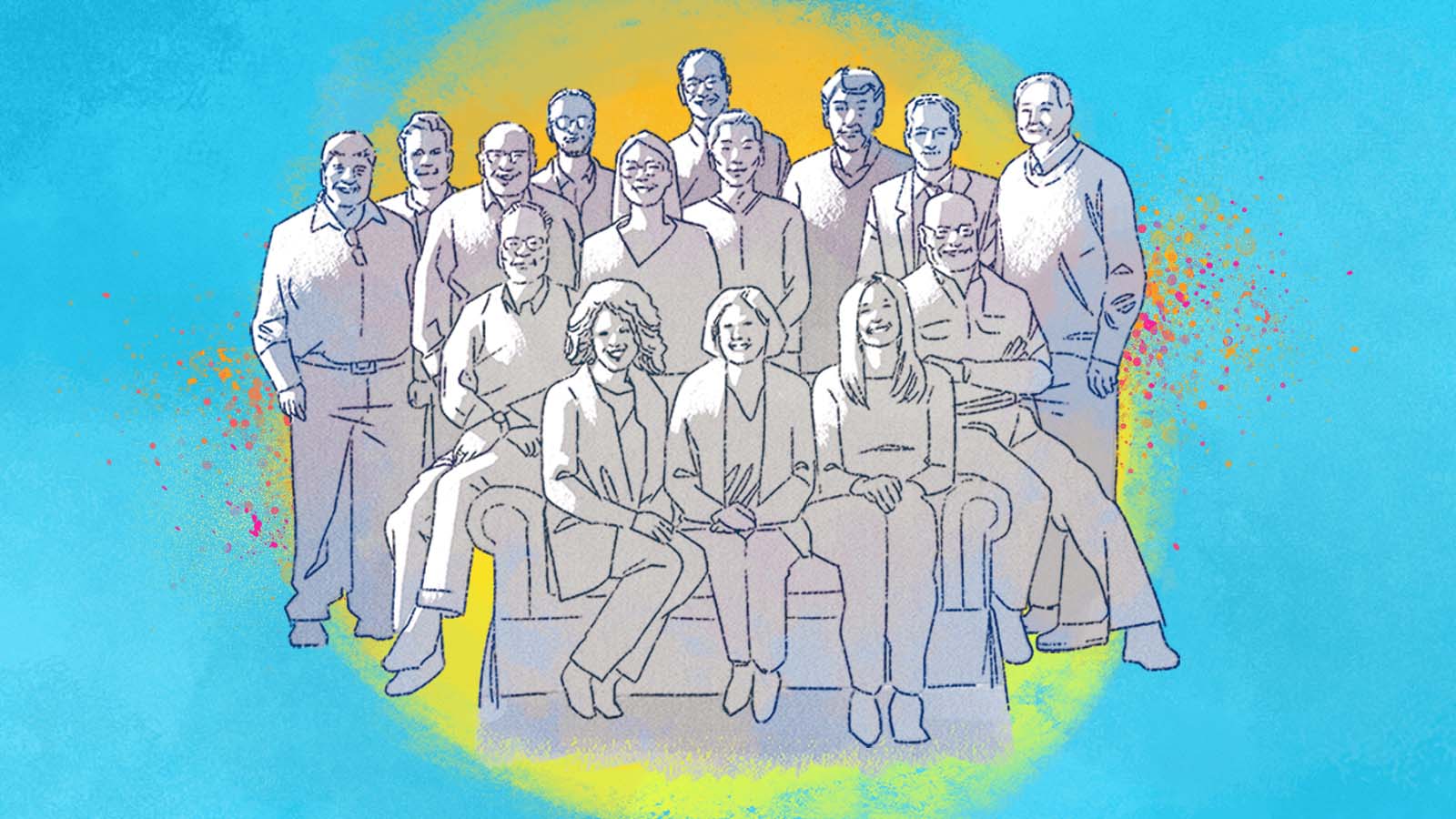
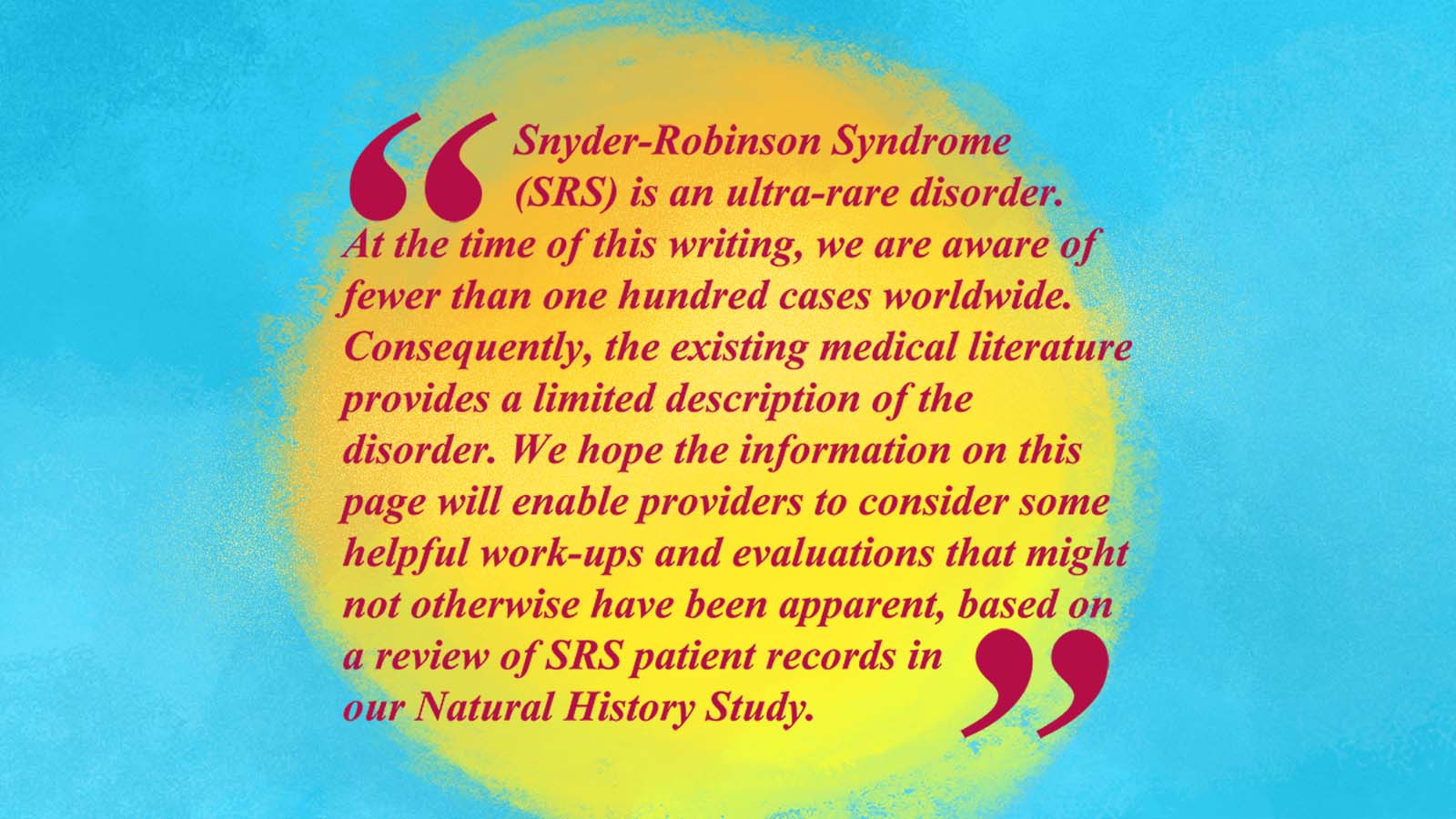
We’ve summarized our research so far in a medical management guide. 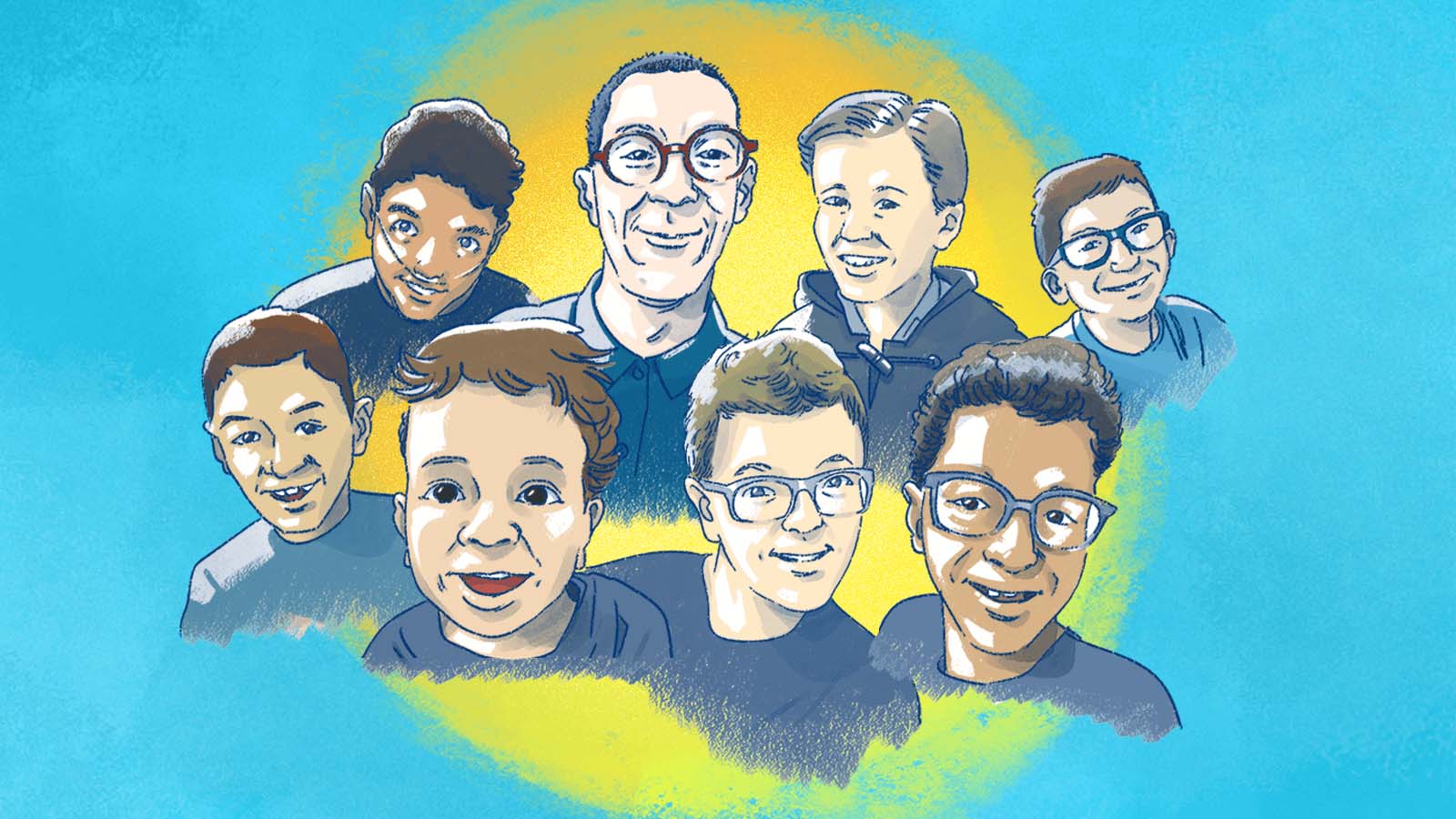
Our team and our knowledge are growing. We have a lot of work to do: to help my son and other children everywhere with this rare disease.
To learn more about ongoing research into this disease and find resources for families whose children are affected, visit the Snyder-Robinson Foundation. CZI supports the Snyder-Robinson Foundation as part of the Rare As One project and our work in patient-driven research.
Read another illustrative science story: How an urgent call from a family in Italy changed this scientist’s career