
From Parkinson’s to Alzheimer’s, neurodegenerative diseases are on the rise — yet few therapies exist to combat them. That’s why the Collaborative Pairs program at CZI’s Neurodegeneration Challenge Network (NDCN) is bringing together scientists to explore new ideas and new approaches.
Jing-Ke Weng, an expert in plant evolution in MIT’s Department of Biology, might seem like a strange person to consult about human brain disease. But he has teamed up with MIT biology colleague Ankur Jain to find new ways to study and treat neurodegeneration by harnessing plant cells and the rich diversity of molecules those cells contain.
Learn more about how the NDCN empowers scientists to pursue bold ideas in order to accelerate the science of neurodegeneration — and ultimately, the path to treatments.
Also read: 2 Stanford researchers are using AI to see more in the brain

What if we could borrow a superpower from plants to make progress on neurodegenerative disease? 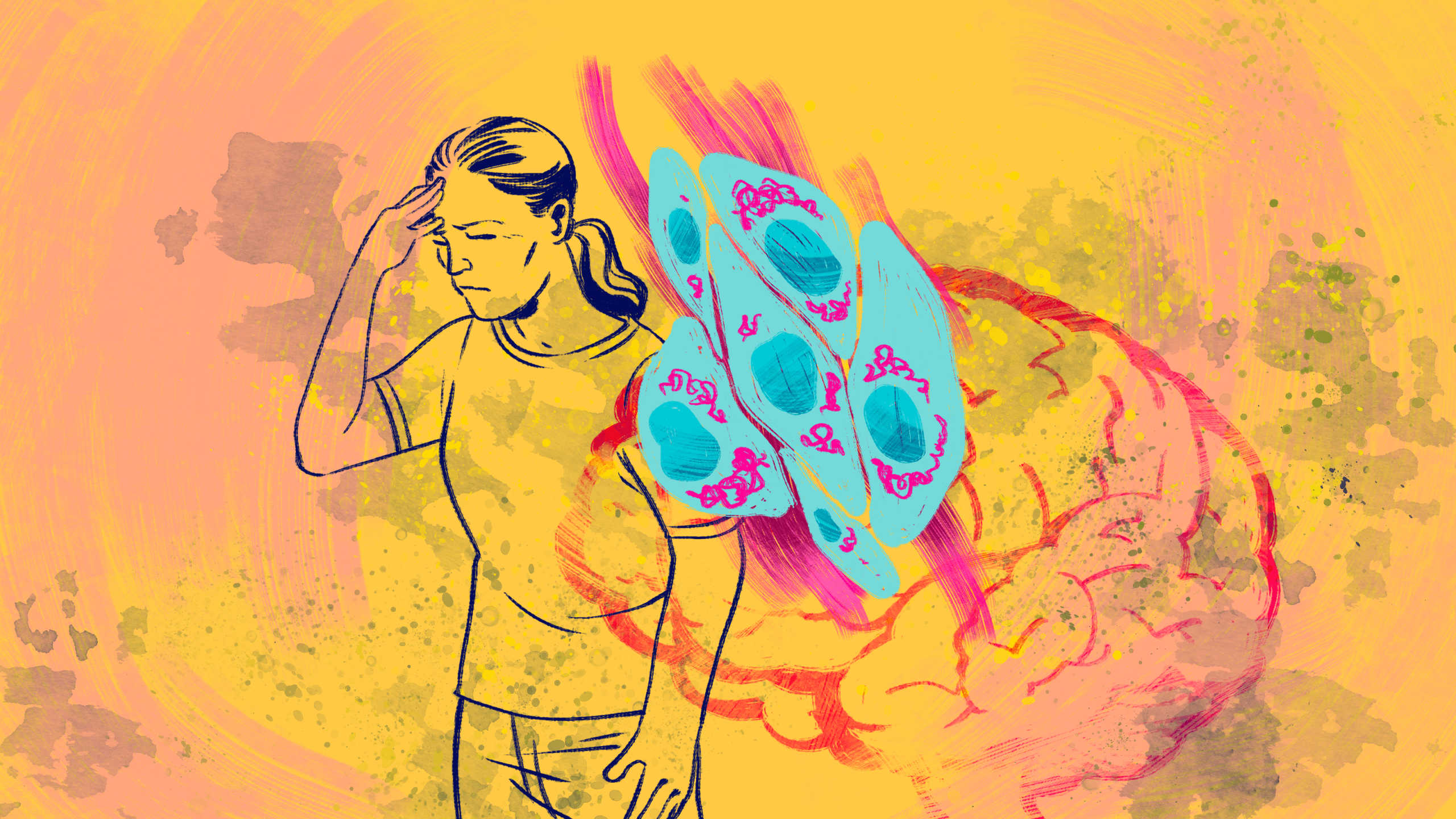
In some neurodegenerative diseases, molecules such as proteins and RNA can misfold. They stick to each other and form clumps that can potentially injure or even kill brain cells. 
This clumping has rarely been observed in plants, which evolved differently to survive in so many environments on land. 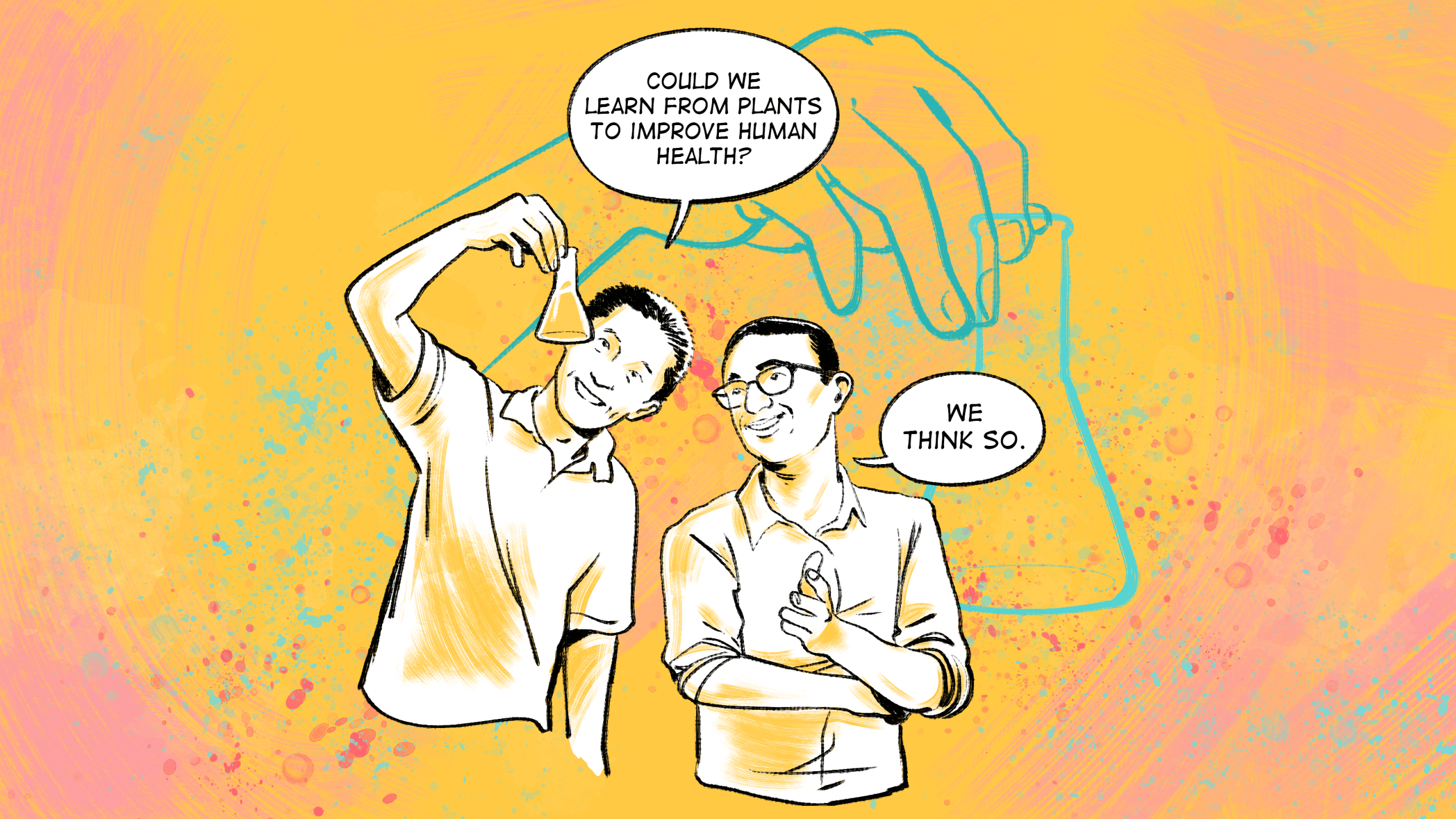
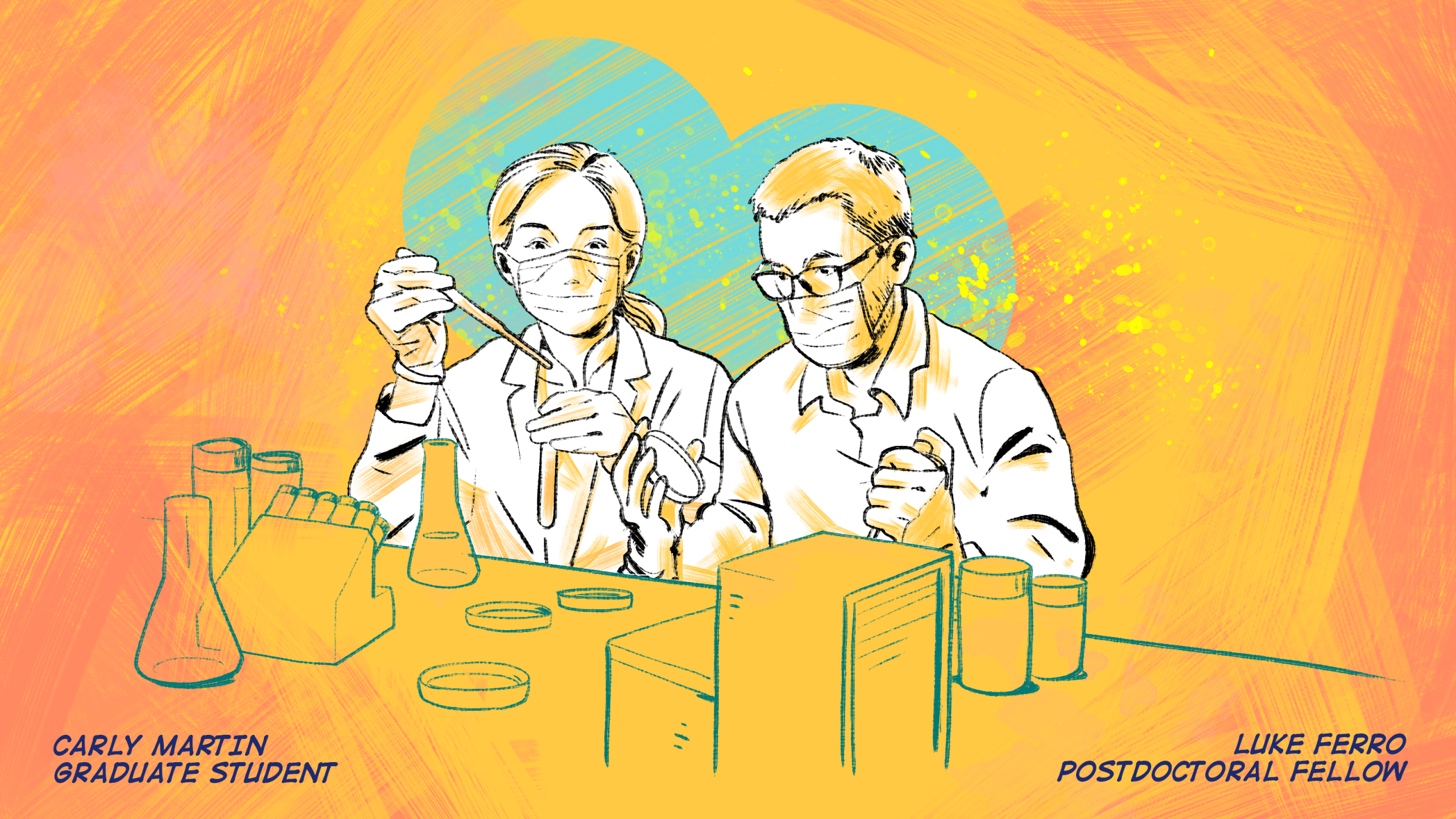
With CZI support, our labs are working together for the first time. We are using specially engineered plant cells containing the human molecules that clump together. 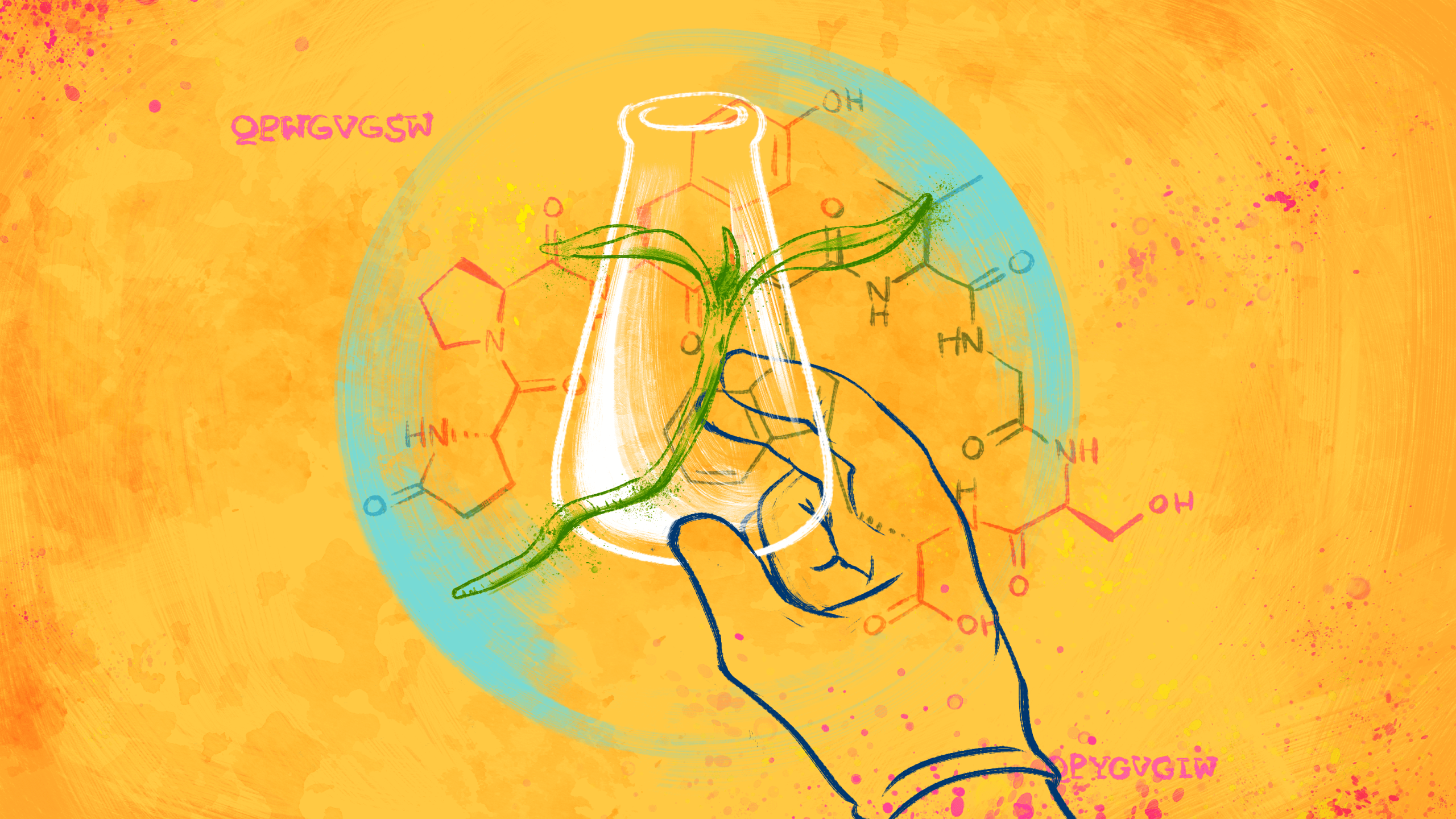
In these cells, we can test millions of compounds to see how they interact with the sticky molecules and find ones that stop the sticking. 
Some of the compounds we’re testing come from plants themselves, including traditional medicines. We believe they offer new hope for understanding and treating ALS, Alzheimer’s, and other neurodegenerative diseases.