Neurodegenerative diseases, like Alzheimer’s, Parkinson’s, ALS, and Huntington’s Disease, are on the rise worldwide. Yet, there are no effective therapies to cure, prevent, or treat most of these disorders.
To make progress, we launched the Neurodegeneration Challenge Network (NDCN) — bringing together experimental scientists from diverse research fields, along with computational biologists and physicians, to look at this problem across diseases.
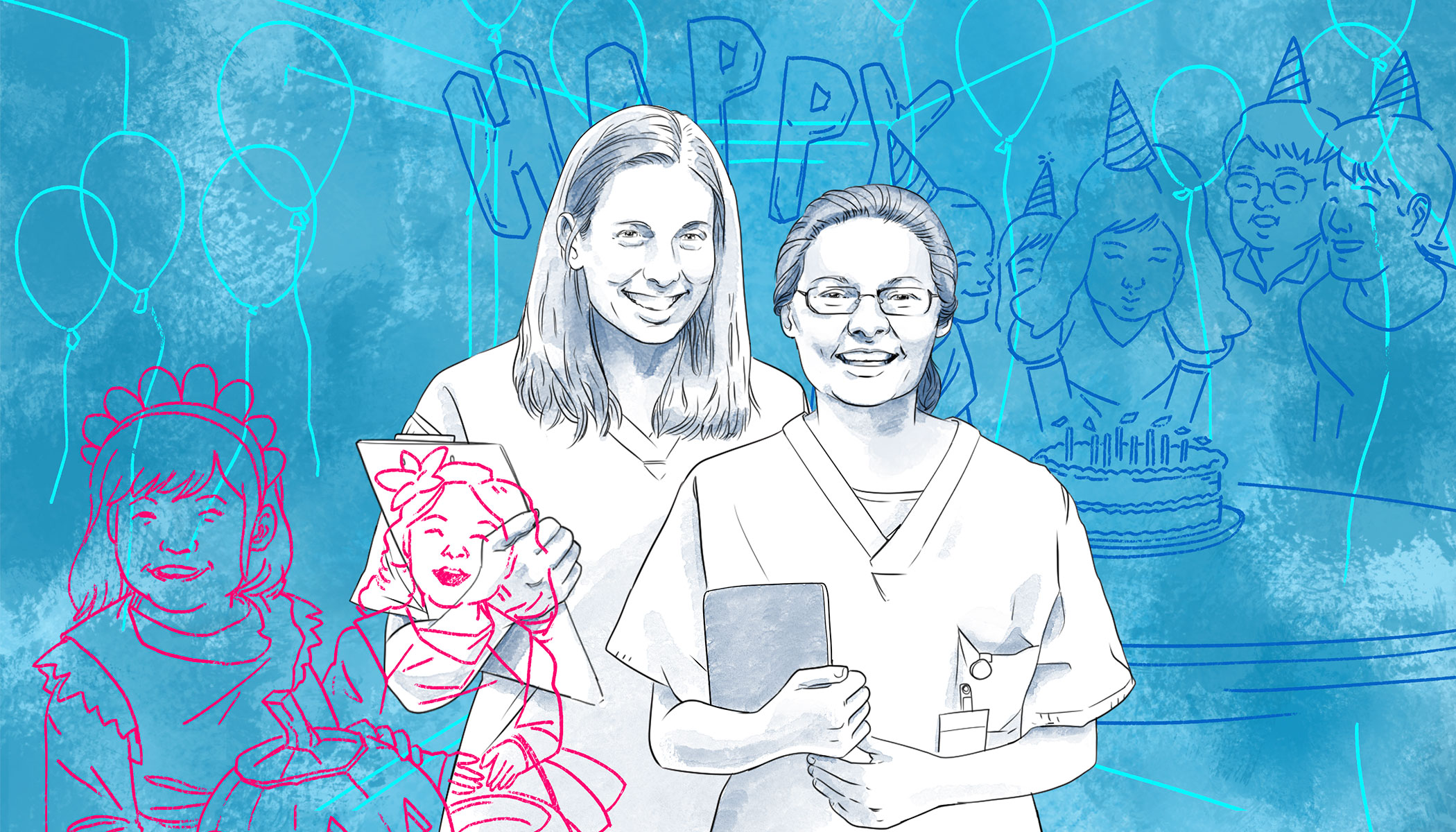
Read how this effort is taking shape through the story of Rebecca and Elizabeth — a pair of NDCN researchers working together to treat and prevent rare neurodegenerative diseases that impact children.
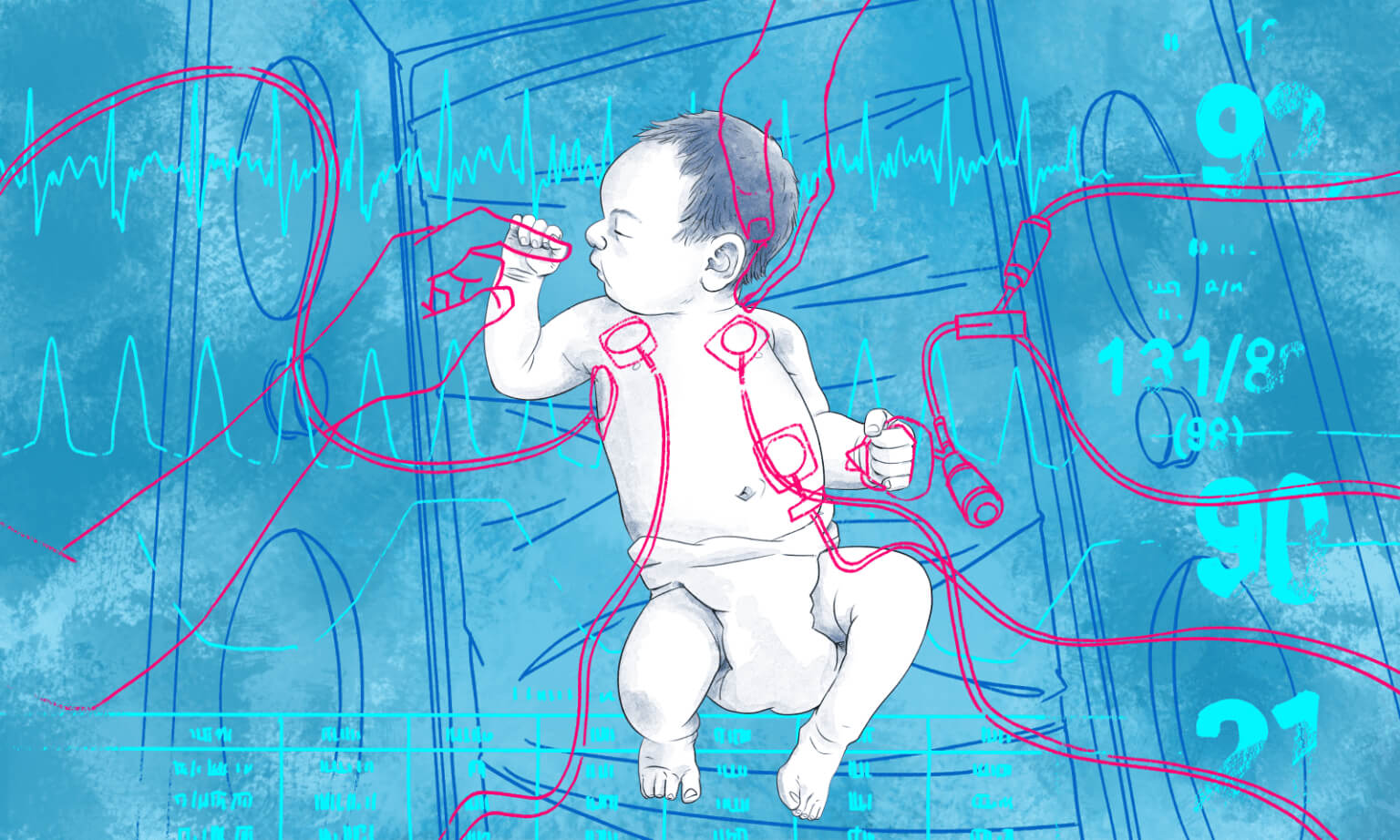
The baby was born healthy. But two hours later, his heart rate and oxygen levels dropped. No one knew what was wrong with him. 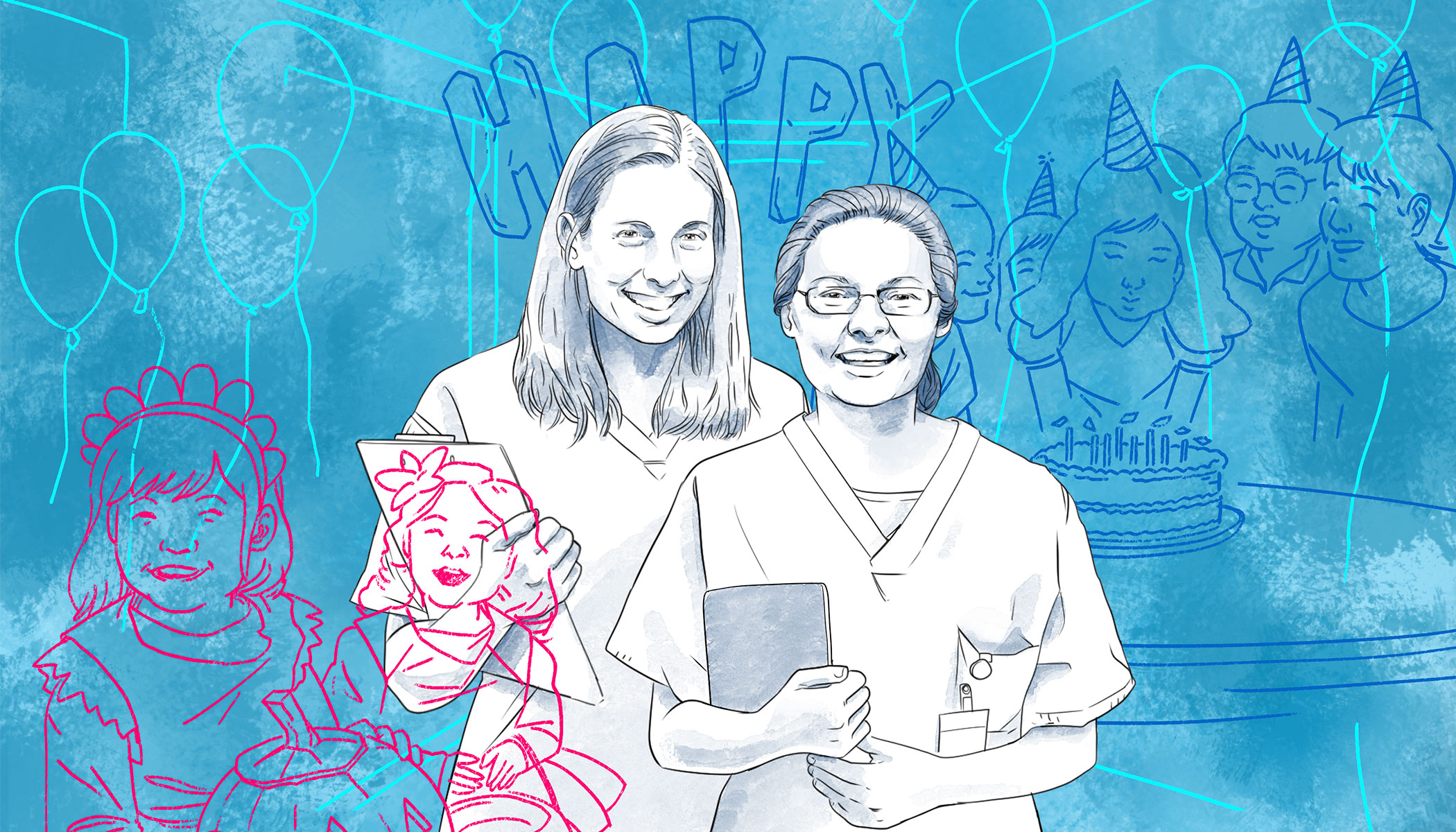
We met him while residents. We were two physician-scientists in training: friends, with children who attended each other’s birthday and Halloween parties. 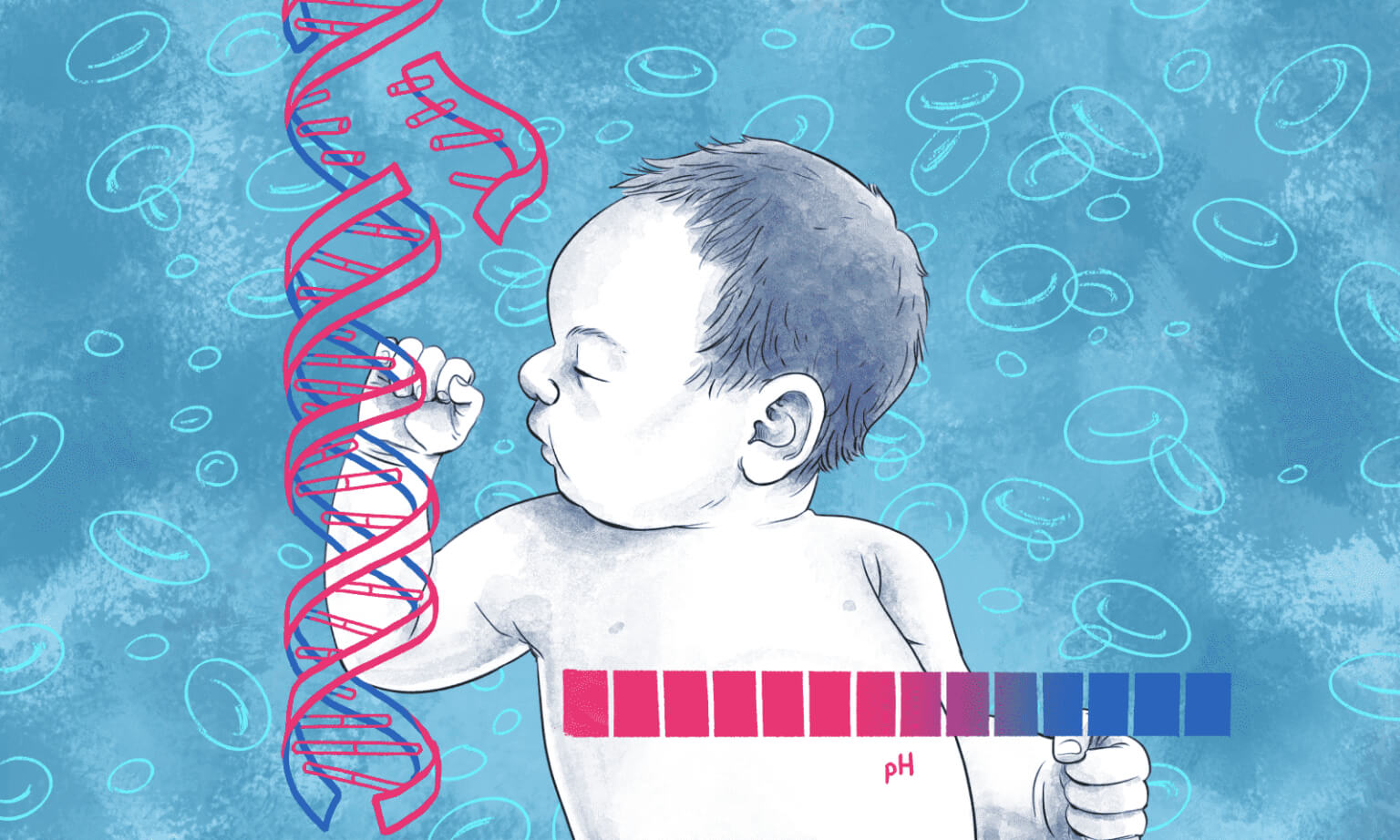
His was the first case we solved together. We discovered that he had a rare disease. A small change to his DNA had acidified his blood. 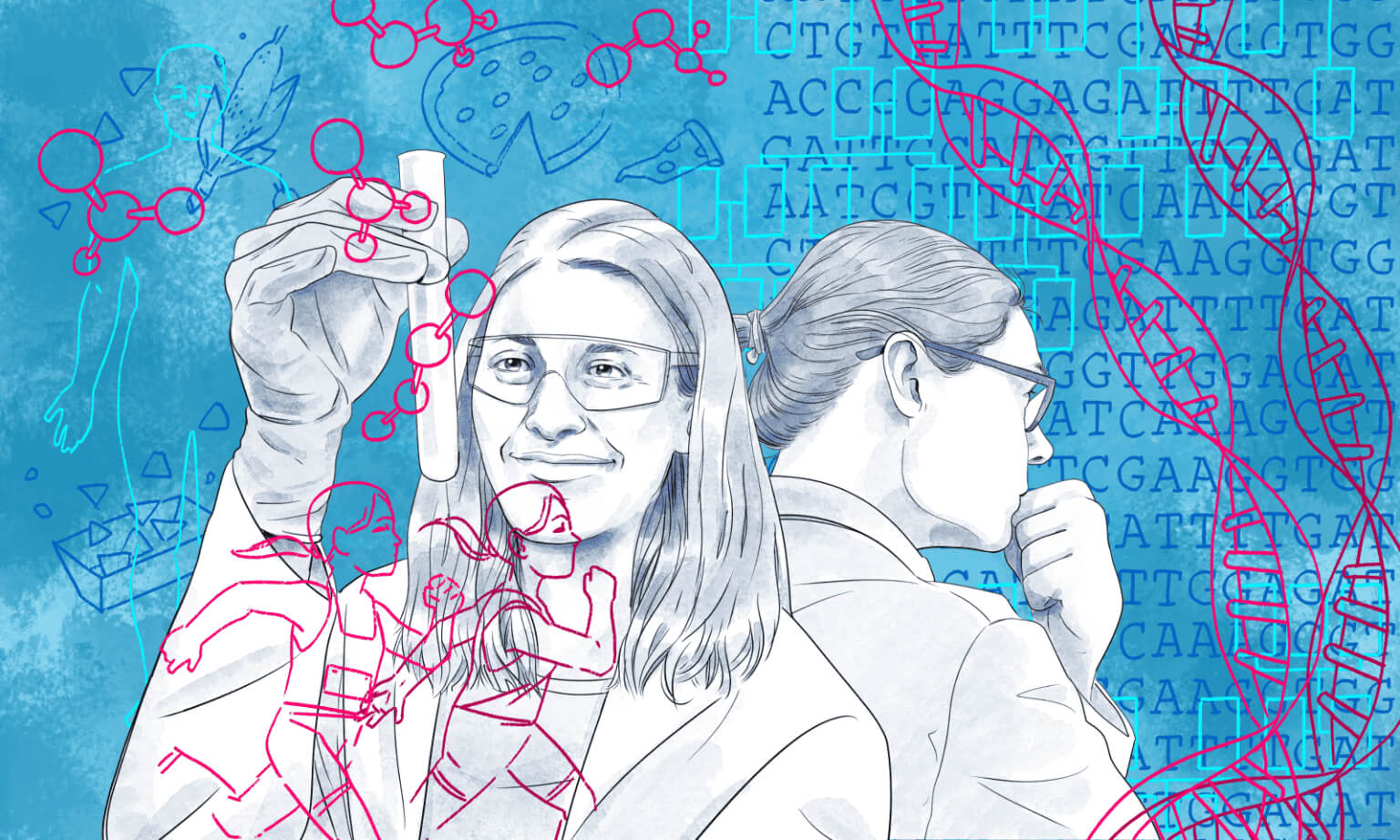
Afterwards, we both went on to study rare pediatric diseases. Rebecca became an expert in metabolics: the food-fueled chemical reactions that keep our bodies running. Elizabeth specialized in genetics, identifying mutations that cause anatomical problems in children. 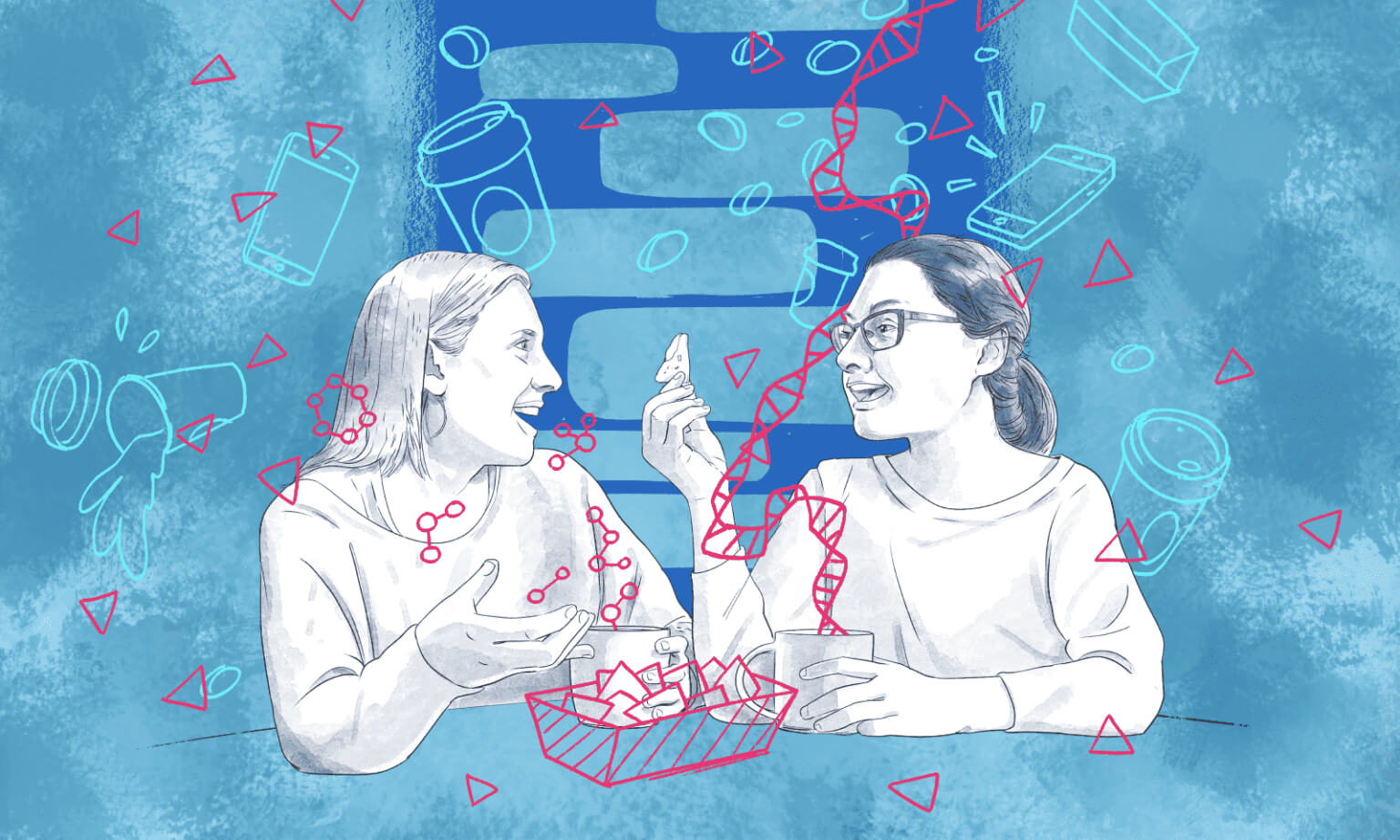
We each opened up our own labs, right next to each other. We bounced ideas off each other. In texts. With coffee and tea. Over lots of nachos. 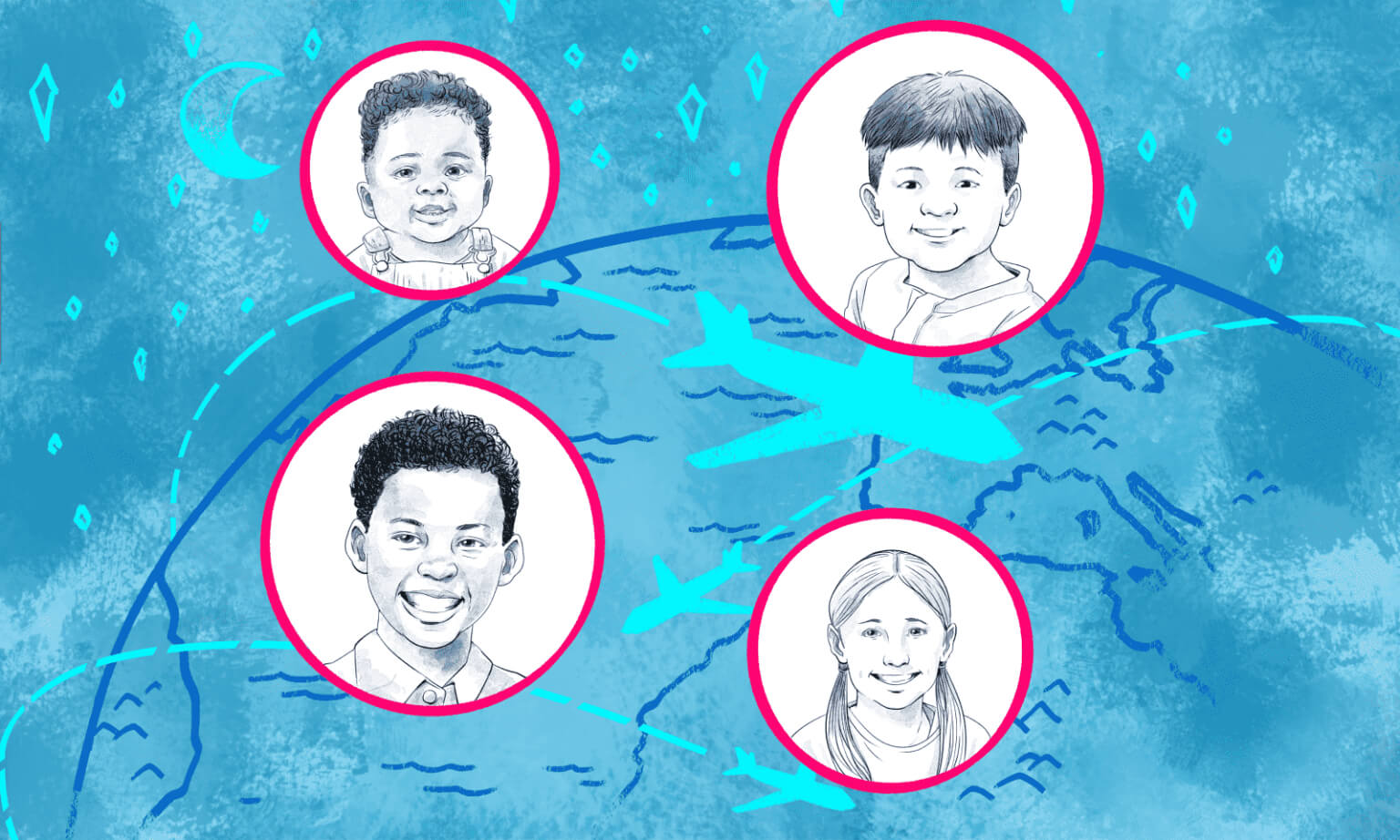
Now we’ve officially teamed up again. As participants in CZI’s Neurodegeneration Challenge Network Collaborative Pairs program, we’re combining our skill sets and tracking down 100 kids with rare neurological diseases across the world. 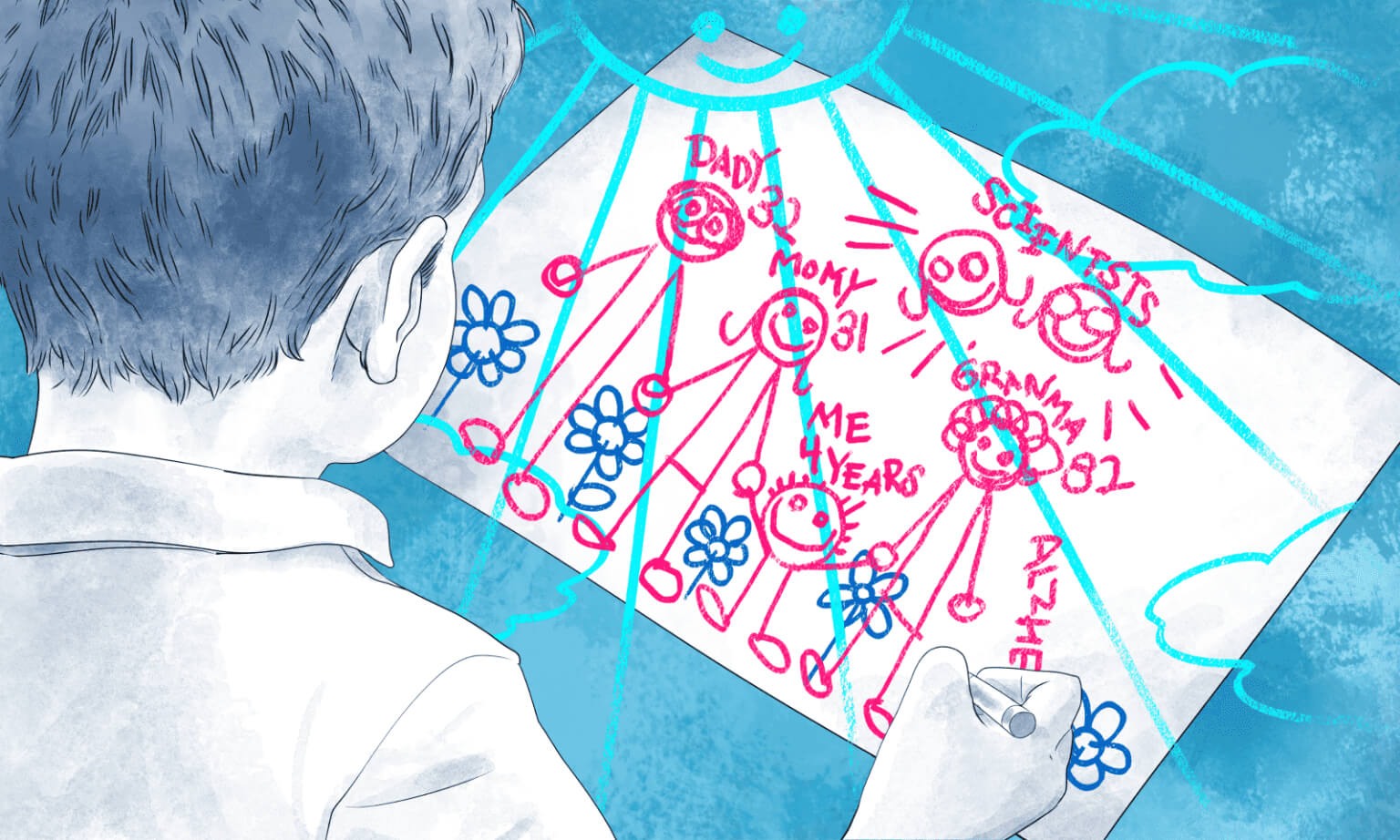
Our goal, like that of our colleagues across the NDCN, is to find out what is going on in each case. To help, if possible. And to break new scientific ground that could help us understand a broad range of neurological diseases, in the young and the old. 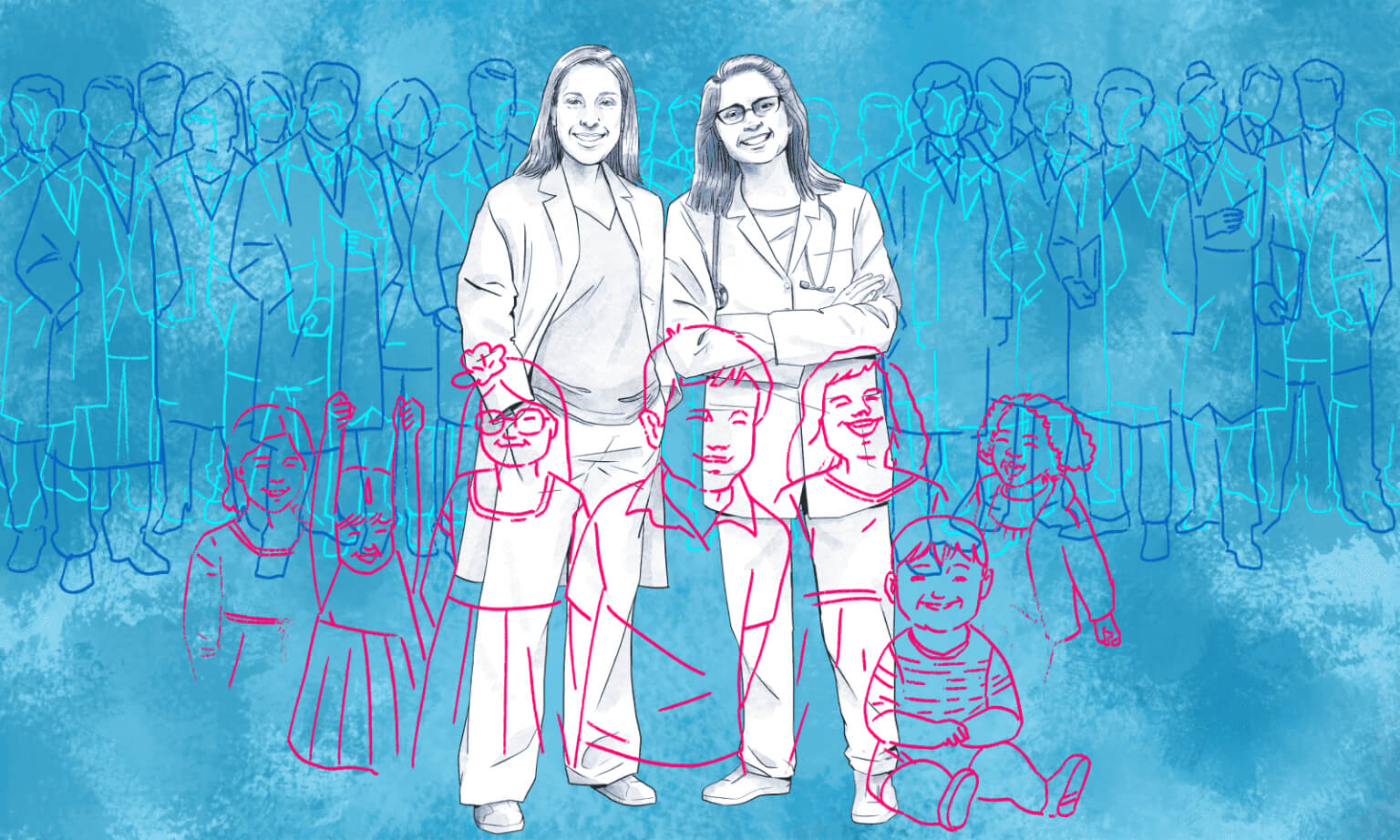
This project is built on collaboration: With physicians who bring us their toughest cases, with scientists who share their expertise, and between two friends excited to finally be working together again.
Learn more about how the NDCN empowers scientists to pursue bold ideas in order to accelerate the science of neurodegeneration — and ultimately, the path to treatments.