AI and Comp Biology
Understanding cellular dynamics and gene modules to build virtual cell models.
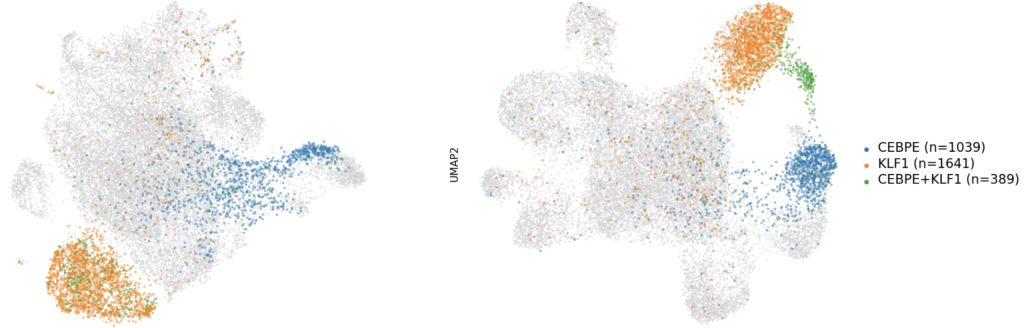
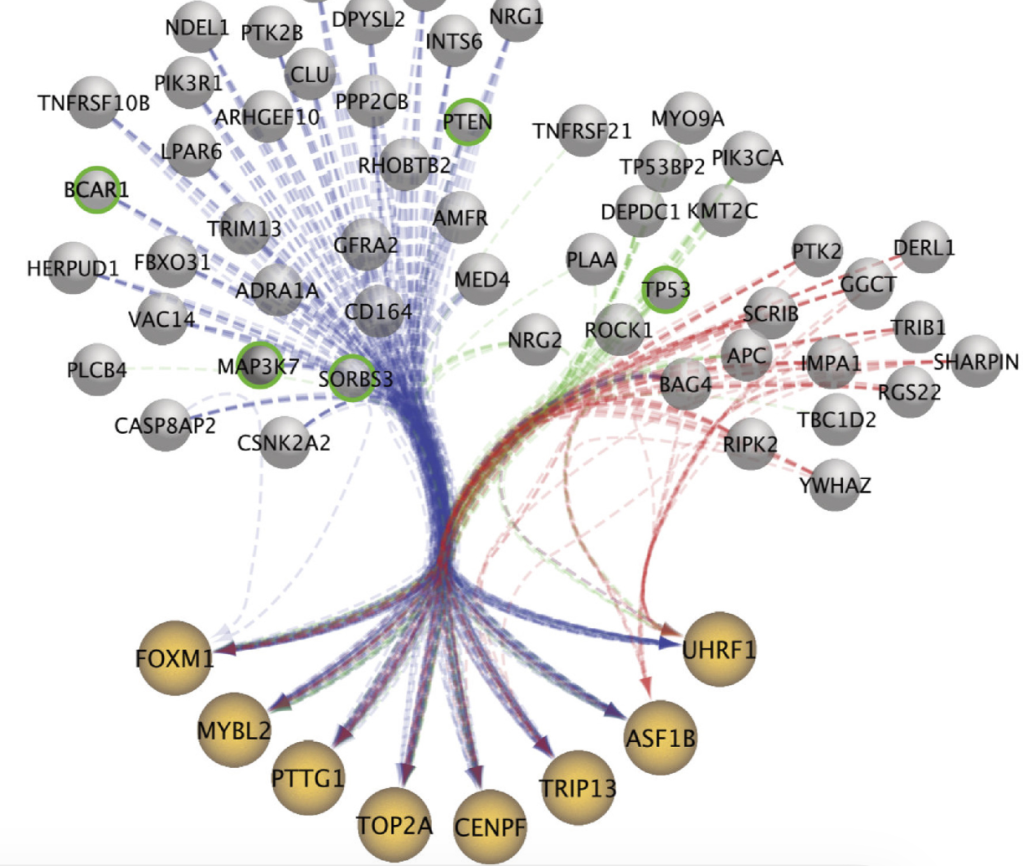
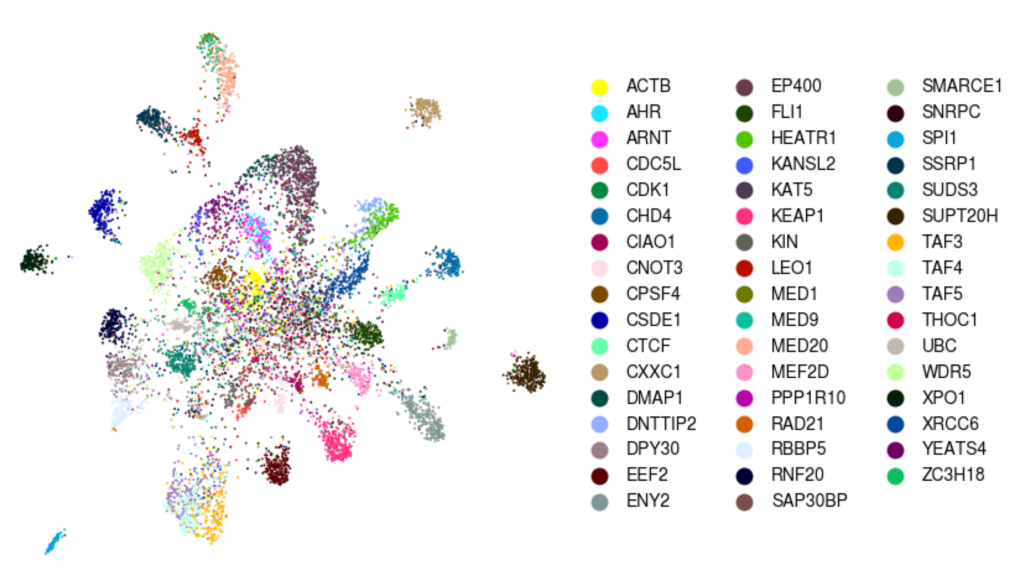
Science papers and headlines can sometimes make us think that genes and proteins are like little light switches in the cell: turning on and off the behaviors that make our cells the specialized building blocks of each organ, and transition between health and disease states. But really genes are like Lego blocks: when joined together in a specific way they become modules that determine the specific behaviors of a cell. To discover these modules in each type of cell, and how they change in disease states, across time and when interacting with other cell types, we need bespoke algorithms that learn to think the way a billion years of evolution has shaped biology. Fortunately computational scientists have figured out a lot of key lessons using systems biology, and now with modern AI systems, we finally have the computational tools to solve the challenges of modelling virtual cellular biology. The transition from the machine learning to AI era in computational biology is kinda like the invention of the jet engine: we already knew how to build a plane, but now we have the power to surge above the clouds.
Our lab designs models to exploit any type of high-throughput ‘omics, imaging and spatial technology that can provide information-dense data on the internal workings of cells. We study DNA, mRNA, enhancers, transcription factors, chromatin structure and proteins. We leverage AI architectures for learning and inference, along with machine learning and statistical techniques for design and evaluation. Critically, we also use any type of relevant prior knowledge–the mountain of scientific knowledge that already exists–to inform, improve and evaluate our models.
Most importantly, we know that the best virtual cell models and discoveries in computational biology come from close collaboration with experimental labs that innovate to get unprecedented visibility into the inner workings of cells. At the Biohub, we have the ideal environment to design experiments and analyze data alongside pioneering experimentalist scientists. Immune dysfunction is a key driver of disease. Our team investigates how enhancers — highly cell-type-specific, divergently-transcribed, noncoding cis-regulatory elements — govern immune responses in health and disease.