
Ivan Marazzi didn’t set out to study neurodegenerative diseases, which include a wide range of illnesses such as Alzheimer’s disease, Parkinson’s, amyotrophic lateral sclerosis (ALS), and Huntington’s disease and are a leading cause of death and disability worldwide. As an associate professor of microbiology at Mount Sinai Icahn School of Medicine, Marazzi studies how cells respond to viruses and other disease-causing pathogens.
When he was starting out as a principal investigator, Marazzi — alongside a multinational research team — made a discovery related to a gene known to cause early-onset ALS and several other rare neurodegenerative disorders. This discovery made global news — catching the attention of a father seeking answers. What happened next changed the course of Marazzi’s career.
Explore the illustrated story to learn more about how Marazzi’s work has changed and why.

A concerned father from Italy changed my scientific career. He messaged me because his children showed signs of nerve degeneration. He offered to meet me in New York. 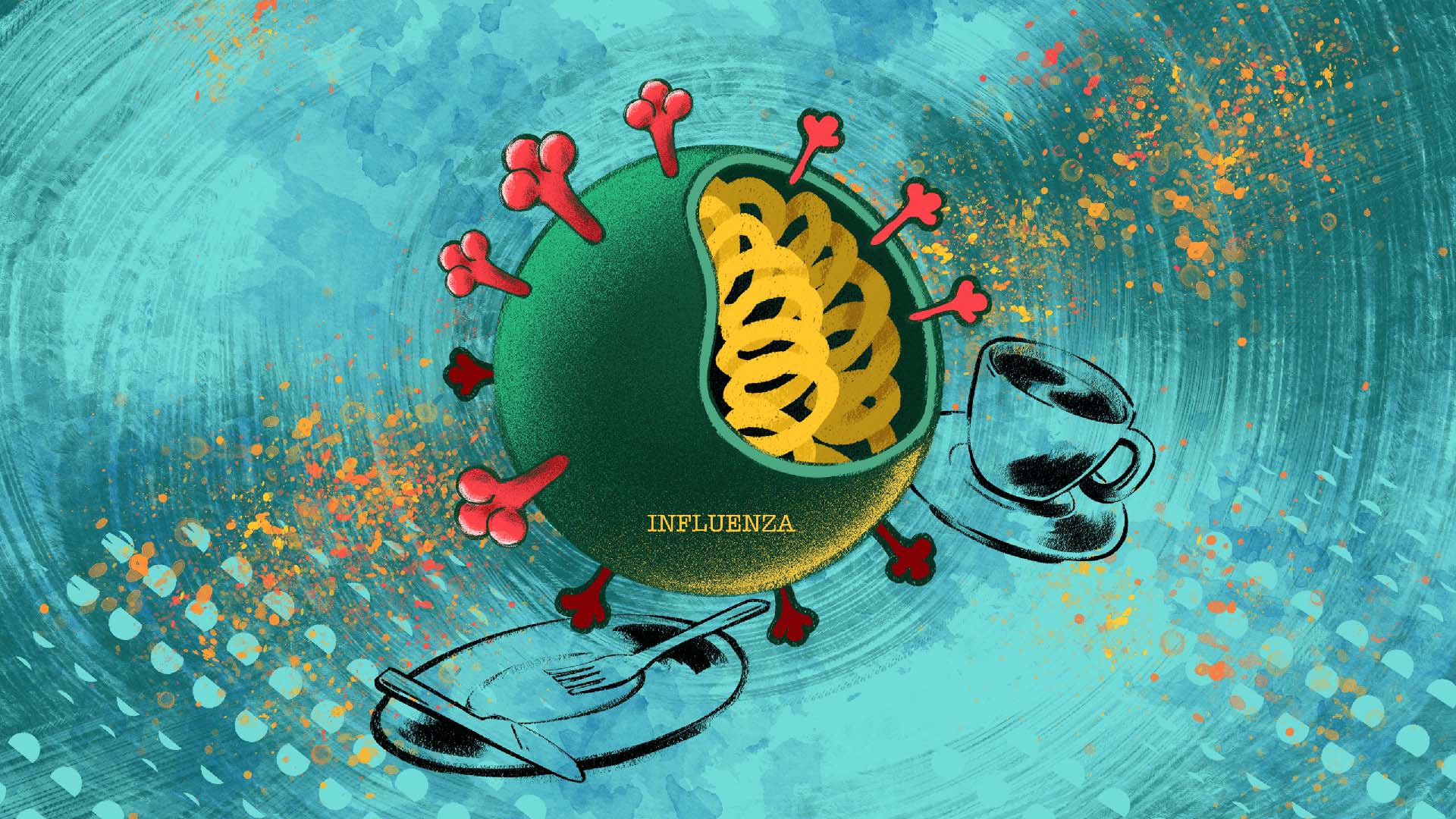
Coffee turned into lunch with the family. They wanted to know if I could help the kids. I said I couldn’t. I was an expert in viruses, not neurodegenerative diseases. 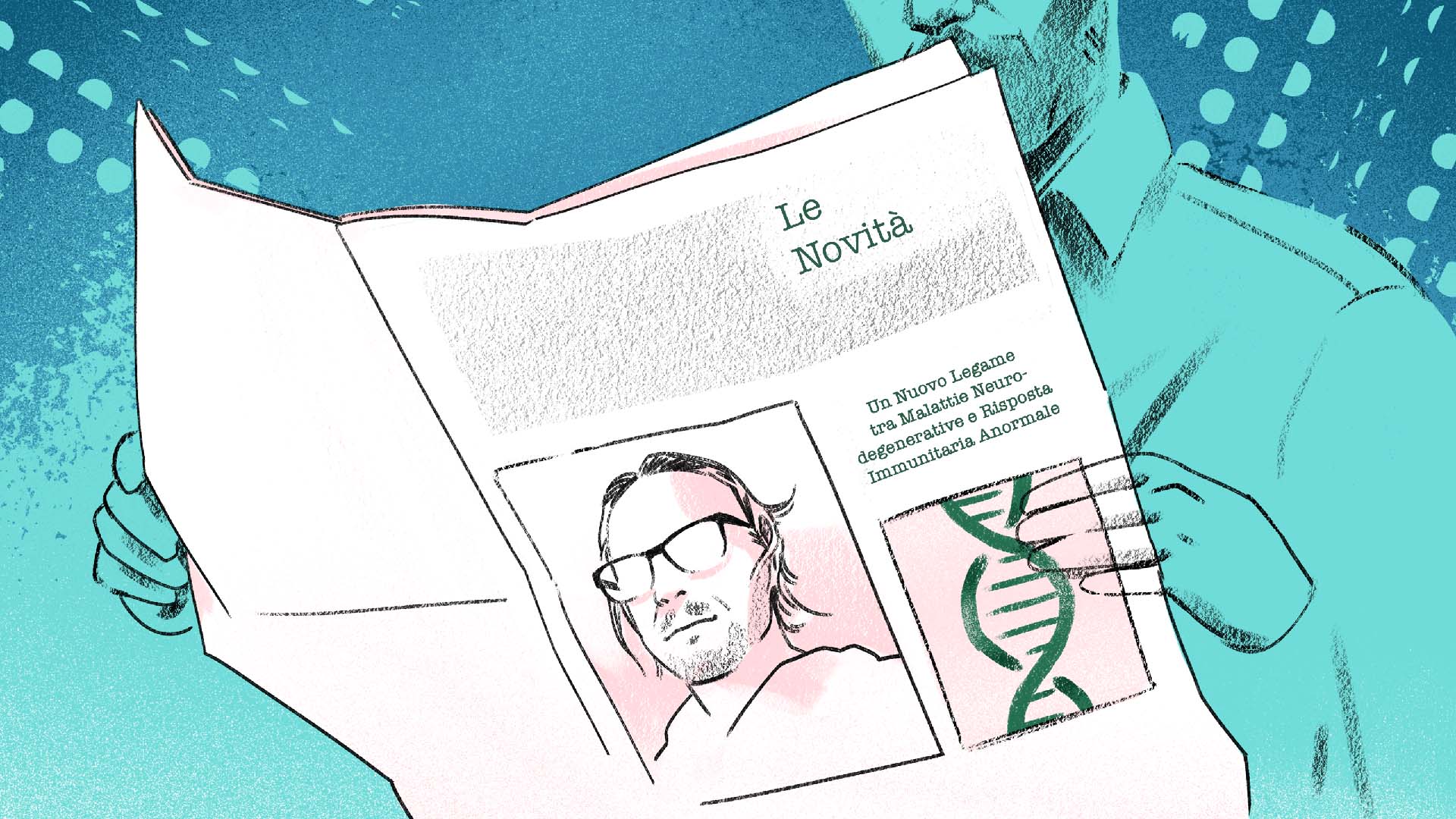
While studying infection as an early career researcher, I found a mutation in a gene linked to ALS. The news reported on it. That was how the father had found me and my work. 
He got me thinking. Should I do more to help? I talked to doctors. I learned how little is known about how ALS works. 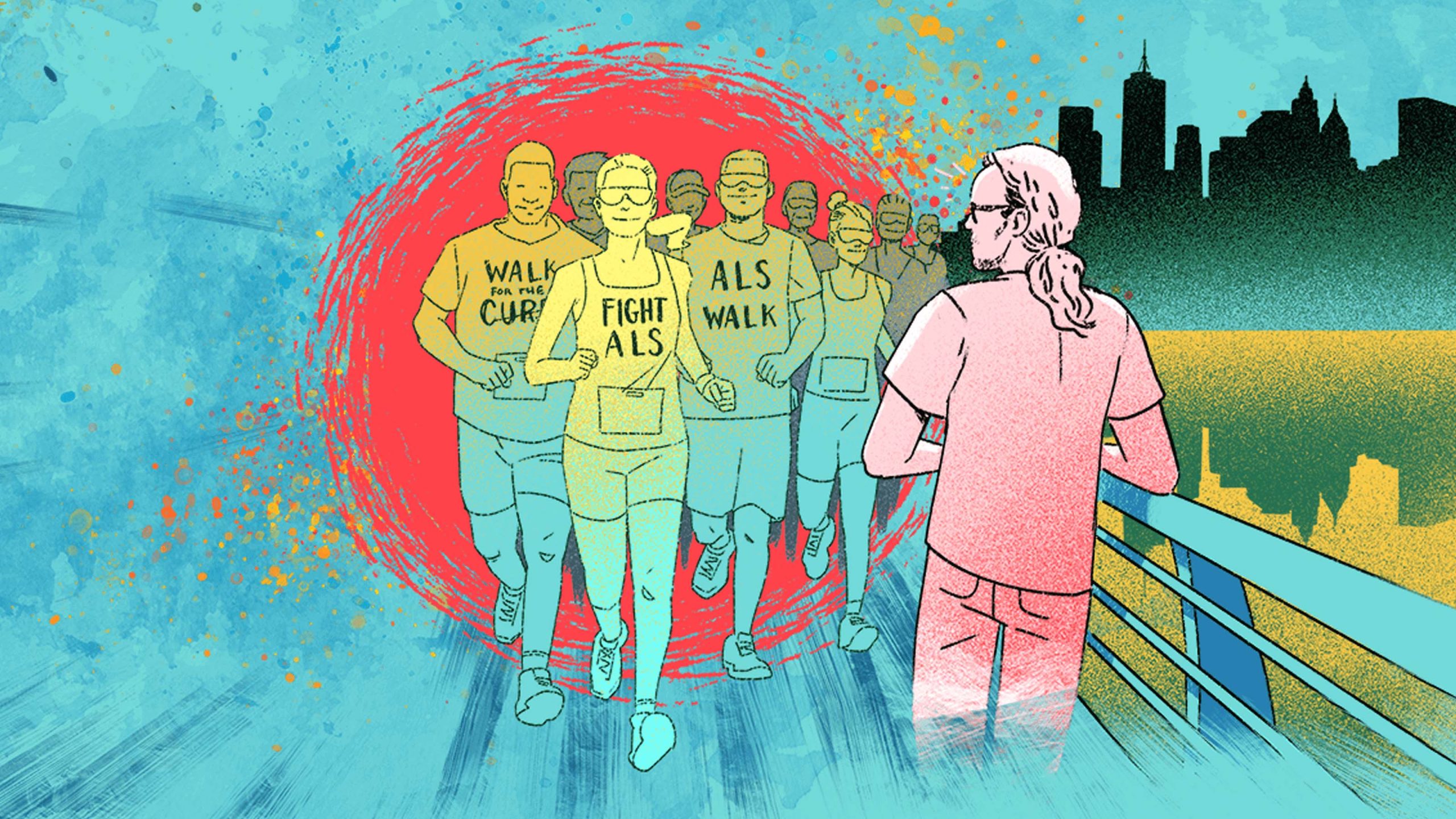
While strolling and debating whether to shift my research focus to ALS, I bumped into an ALS benefit walk. I’m not superstitious, but this seemed like a sign. Or maybe I drank too much the night before, and this was a dream! 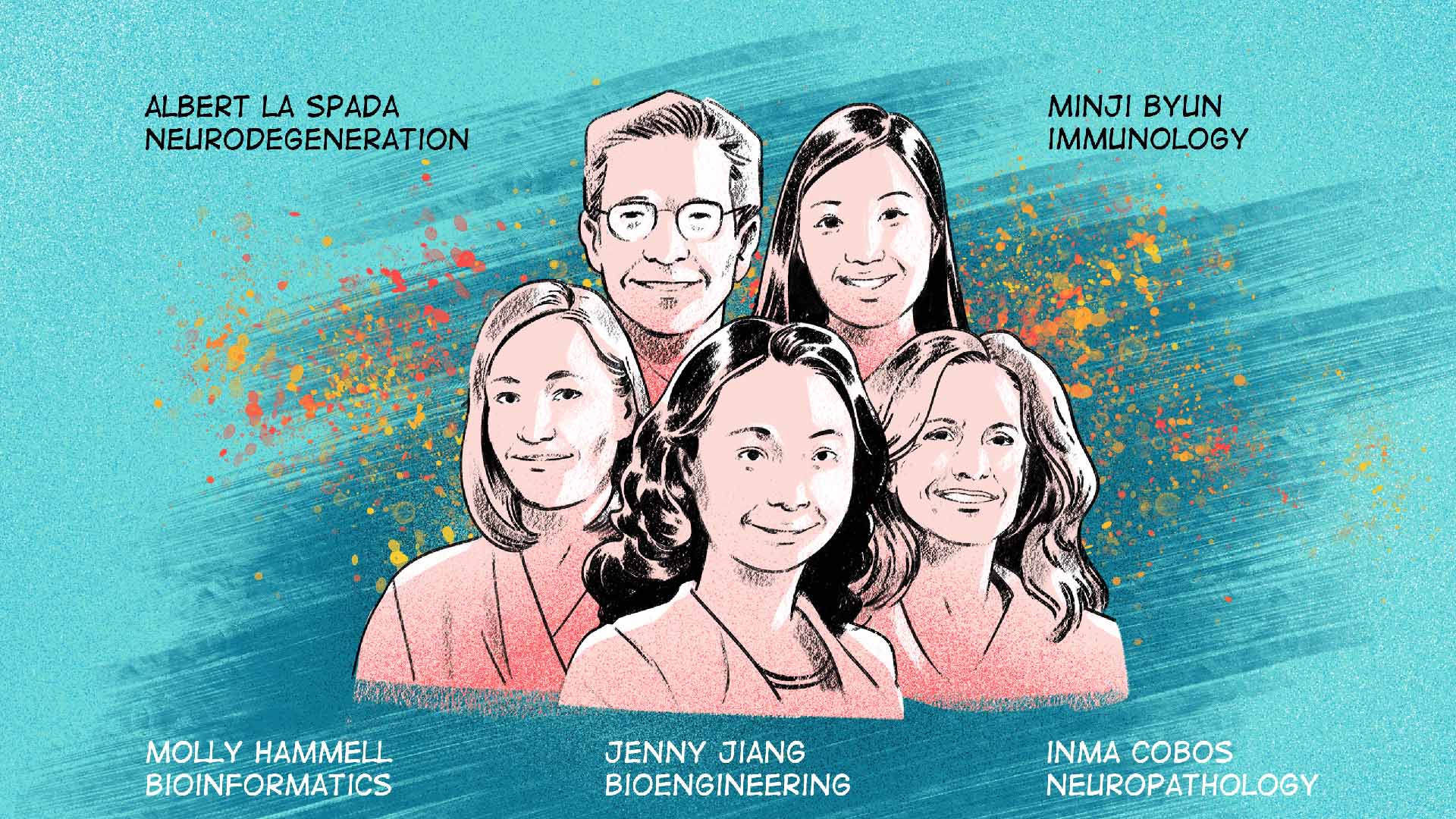
Whatever it was, I pivoted. I teamed up with CZI-supported scientists from diverse fields. 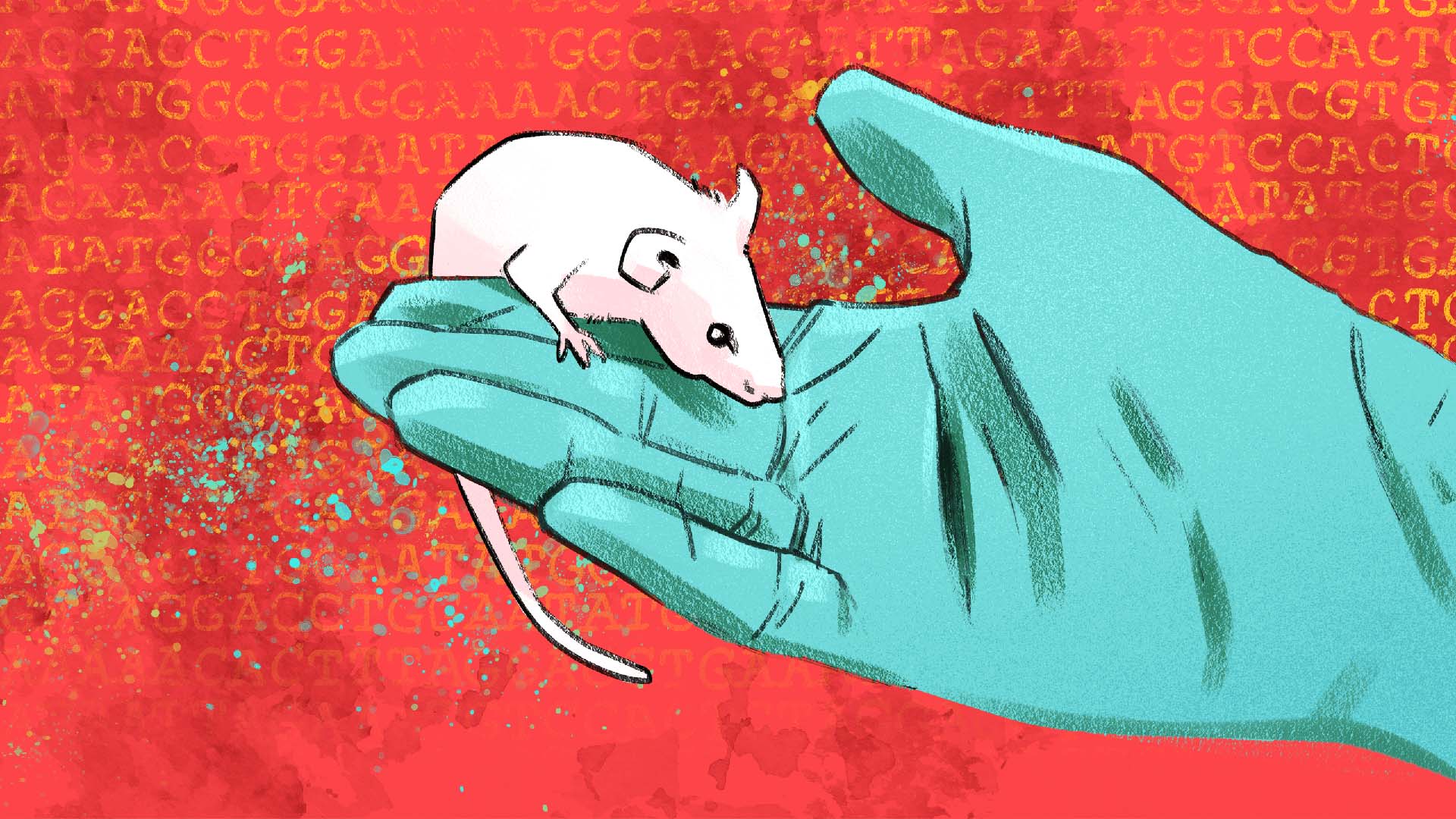
We study biological changes in mice with mutations related to ALS and rare childhood diseases. We partner with clinicians who see patients with the same mutations. 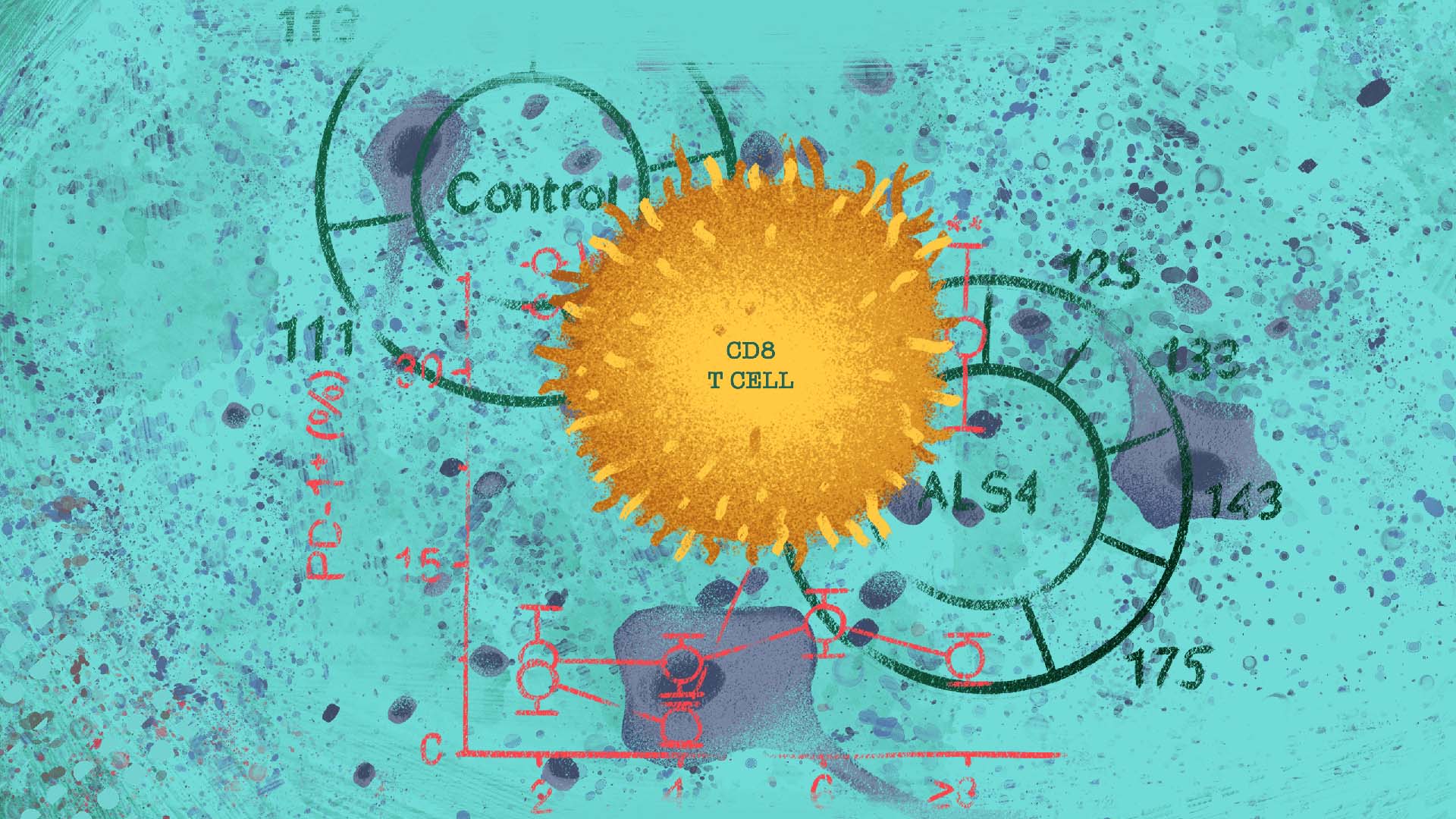
Recently, our collaboration found an abnormal immune response in people with a genetic form of ALS (ALS4) that usually starts in adolescence. 
I still talk to that father. I still tell him I can’t cure his kids. But I can give him cautious hope: that our fundamental research will one day light the way to treatments.
What’s next on Marazzi’s journey to understand neurodegenerative diseases?
Marazzi continues to investigate the role of our immune systems in motor neuron diseases like ALS. In 2018, he received a Chan Zuckerberg Initiative Ben Barres Early Acceleration Award — a grant to support early-career investigators studying neurodegenerative disorders, especially those who are new to neuroscience.
Most recently, Marazzi and a team of researchers at Mount Sinai published a study in Nature that could have significant implications for diagnosing and treating ALS, other neurodegenerative disorders and cancer.