Rare disease research
The average time between basic discovery of a disease and approved disease therapeutics is 31 years. For the 400 million people worldwide who live with more than 10,000 rare diseases, that timeline is especially costly: fewer than 5% have an approved therapy.
Rapid advances in genomics and artificial intelligence provide an unprecedented opportunity to narrow that timeline. AI-driven approaches are enabling researchers to interpret genetic variation, model disease mechanisms, and identify therapeutic opportunities with a speed and scale that would have seemed unimaginable only a few years ago.
For rare diseases, many of which stem from a single genetic change with clear biological effects, the opportunity is especially profound. These conditions are among the most tractable for connecting genotype to phenotype, and often for translating that understanding into therapeutic opportunities.
At Biohub, we bring together AI, biology, and patient communities together to deepen understanding of disease biology and accelerate the development of precise and effective treatments. Ultimately our goal is to accelerate the journey from basic discovery to patient benefit by advancing the data, infrastructure, and partnerships that make it possible to cure or prevent all disease.
Rare As One
Rare As One funds and supports rare disease patient communities to build and grow collaborative research networks, align those communities around shared research priorities, and collaborate across diseases to tackle common challenges.
Since 2019, Biohub has supported 94 patient-led organizations through funding, training, scientific partnership, and capacity building. Together, these organizations have engaged more than 320,000 patients and community members, more than 26,000 researchers, and have established clinical registries, disease models, natural history studies, and other resources critical to discovery. Over half have launched clinical trials in their disease areas.
Learn more about these vibrant communities and the impact they have had in our Rare As One Cycle 1 and Rare As One Cycle 2 impact reports.
Information about the next cohort will be shared later this year.
Pediatric Center for CRISPR Cures
Biohub and the Innovative Genomics Institute launched the Center for Pediatric CRISPR Cures. The Center is using CRISPR-based gene editing technology to advance cures for severe pediatric genetic diseases, developing first-in-kind, personalized CRISPR treatments on-demand for children with severe inborn errors of immunity and severe metabolic disease.
This initiative is the first step toward achieving the Center’s larger, long-term goal of establishing a standardized delivery process for this type of therapy, so that many more families can access treatment.
“For the first time, AI, frontier biology, and organized patient communities are converging to make rare disease scientifically and therapeutically tractable at scale. At the center of this convergence are patient communities– the essential catalysts driving discovery, collaboration, and therapeutic development.”
— Tania Simoncelli, vice president of translational impact and engagement at Biohub
News
-
Protein Modeling, Cell Imaging and Patient-Powered Science: Reflections on Biohub’s Start to the Year
Co-founder Priscilla Chan shares reflections following Aspen Ideas: Health on the models, tools, and people driving Biohub's progress this year.
-
From patient communities to precision treatments: harnessing AI-powered biology for rare disease
-
Chronicle of Philanthropy: How Small Grants Can Bridge a Gap — and Lead to Big Changes
Explore more news
Funding
Explore funding opportunities
Team leaders
-
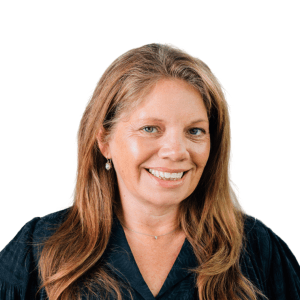
Heidi Bjornson-Pennell
Director, Patient Networks and Partnerships
-
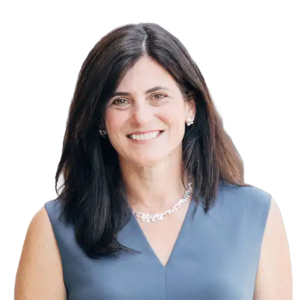
Tania Simoncelli
Vice President, Translational Impact and Engagement
-
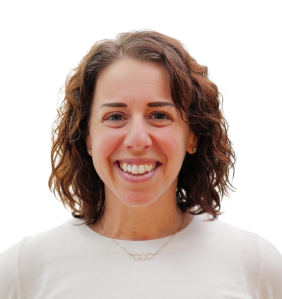
Jennifer Stoff Sood
Director, Special Projects, Translational Impact & Engagement
Join us in our mission
We are a collaborative community of scientists, engineers, and AI and machine learning experts from across multiple fields who are passionate about tackling complex challenges and share a unified vision of a world without disease.
Open positions