Immune cell reprogramming
The immune system underpins nearly every aspect of human health. It is the body’s defense and maintenance network, yet it has limited effectiveness in preventing many diseases that emerge later in life. Health requires continuous monitoring, repair, and recalibration, but the immune system’s natural programming is not optimized for the chronic challenges of aging. It degrades over time.
To meet the challenges of aging and chronic disease, we are building a new framework for immune cell engineering: one that transforms biological matter into programmable matter capable of sensing, decision-making, and response within the human body. Using AI, synthetic biology, and advanced cell reprogramming techniques, we are developing technologies that allow immune cells to monitor their environment, and respond precisely when needed.
Ultimately, our goal is to build a shared toolkit for deploying immune cells as programmable devices for real-time health surveillance and therapeutic intervention. By equipping cells with engineered biosensors, signal processing capabilities, and functional responses, we aim to create systems that can detect early changes in tissue homeostasis and act to correct any emerging threat to our health. This foundation will enable earlier detection, prevention, more precise treatment, and new approaches to diseases ranging from cancer and neurodegeneration to inflammation and fibrosis.
Our focus areas:
- Frontier AI/ML modeling — Building, testing, and benchmarking novel foundation models for biology to predict the specific cellular changes needed to implement new immune functions.
- Synthetic immune biology — Equipping cells with programmable sensing, processing, and intervention/functional response capabilities.
- Advanced single-cell technologies — Developing, optimizing, and benchmarking new tools for multiomics to profile immune cell dynamics.
- Living systems — Engineered cells and organoids, lineage-tracking models, and in vivo platforms to measure immune cell behavior.
- Foundational principles of immunology — Understanding the mechanisms and triggers that shape immune cells and their responses, including function, behavior, and immunogenomics.
“The conjunction of AI models plus the availability of computing power is leading to a shift from watching the immune system work to actually predicting what it will do next. With today’s tools, we can rewire immune cells to detect disease, report on physical changes, and deliver therapeutics.” — Andrea Califano, president of immune cell reprogramming
News
-
Why one drug isn’t enough: AI reveals cancer’s secret weapon – and how to beat it
Tumors are patchworks of distinct malignant cell states, each with its own survival strategy. With AI, Biohub scientists are discovering drug combinations that defeat them all at once.
-
Protein Modeling, Cell Imaging and Patient-Powered Science: Reflections on Biohub’s Start to the Year
Co-founder Priscilla Chan shares reflections following Aspen Ideas: Health on the models, tools, and people driving Biohub's progress this year.
-
The immune cell engineers
Fifteen research teams are building the molecular toolkit to reprogram the body’s own defenders across diverse disease areas.
Explore more news
Research
-
Genome-wide chromatin recording resolves dynamic cell state changes
Yodai Takei, et al. (2026) | Cell Systems
-
Developmental and MAPK-responsive transcription factors regulate distinct malignant cell states and associated genetic dependencies in pancreatic cancer
Andrea Califano, et al. (2026) | Nature Genetics
-
Distinct transcription factors control tissue adaptation and effector function in infant and adult memory T cells
Donna L. Farber & Peter A. Sims (2026) | Nature Immunology
Explore more research
Team leaders
-

Meghan Hughes, Ph.D.
Vice President, Operations, New York
-
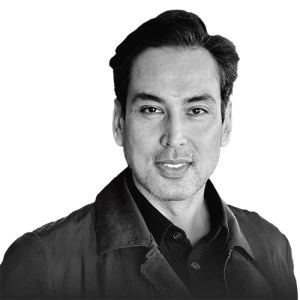
Jay Mahat, Ph.D.
Group Leader, Immunogenomics
-
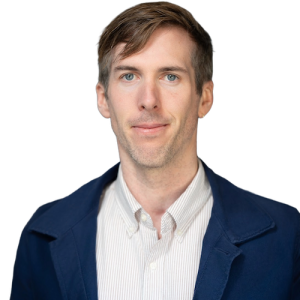
Tim Olsen, Ph.D.
Group Leader, Advanced Single Cell Technologies
-

Roham Parsa, Ph.D.
Group Leader, Immune Cell Dynamics and Function
-
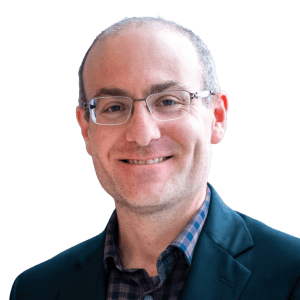
Evan Paull, Ph.D.
Group Leader, Artificial Intelligence/Machine Learning
-
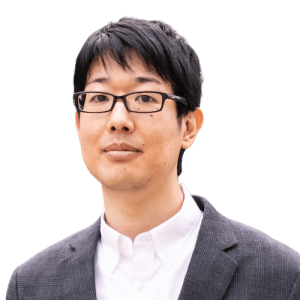
Yodai Takei, Ph.D.
Group Leader
Investigator program
Our investigator and residency programs support research and collaborations by some of the best minds in science, medicine, engineering and technology.
Meet our investigators
Join us in our mission
We are a collaborative community of scientists, engineers, and AI and machine learning experts from across multiple fields who are passionate about tackling complex challenges and share a unified vision of a world without disease.
Open positions